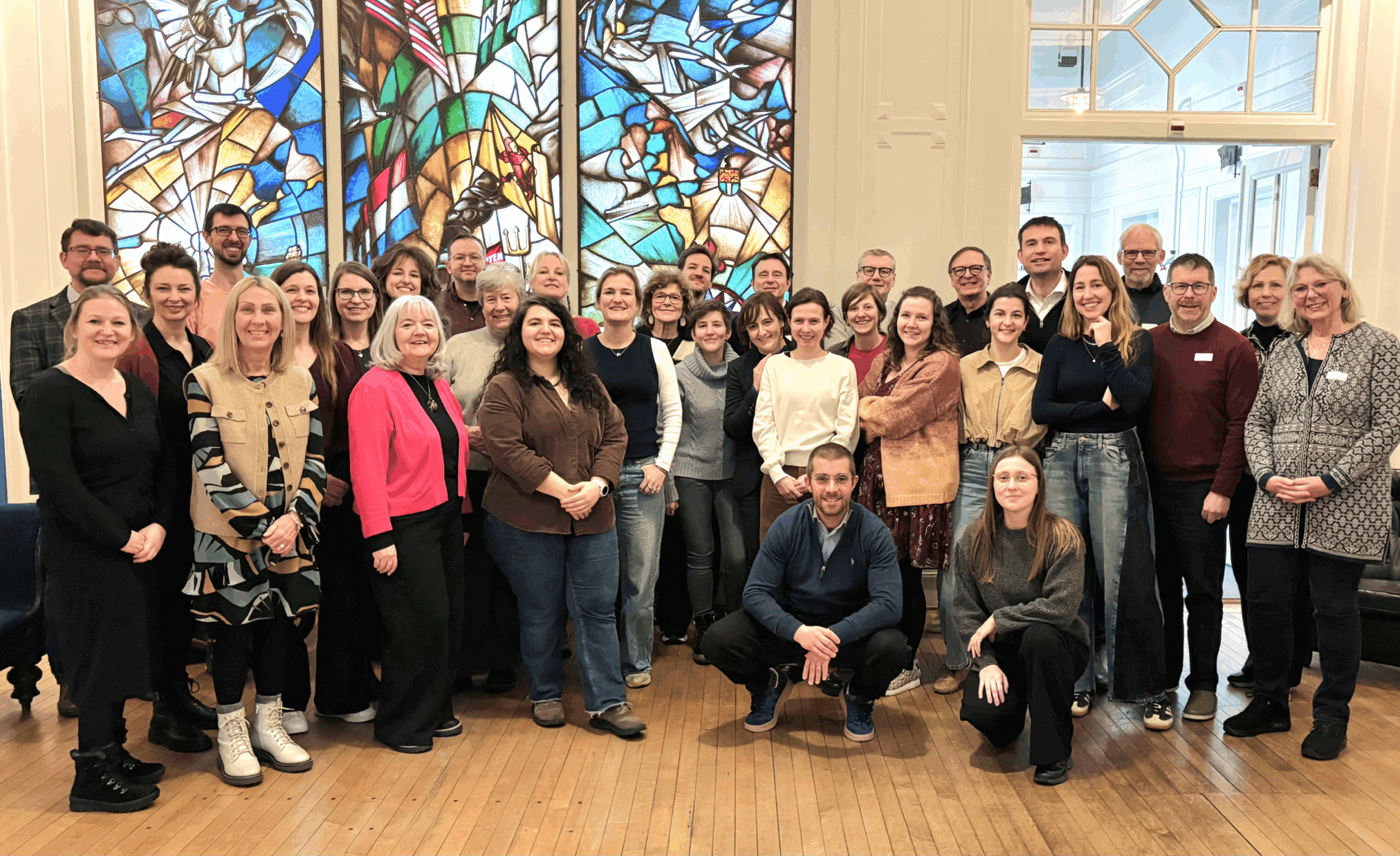
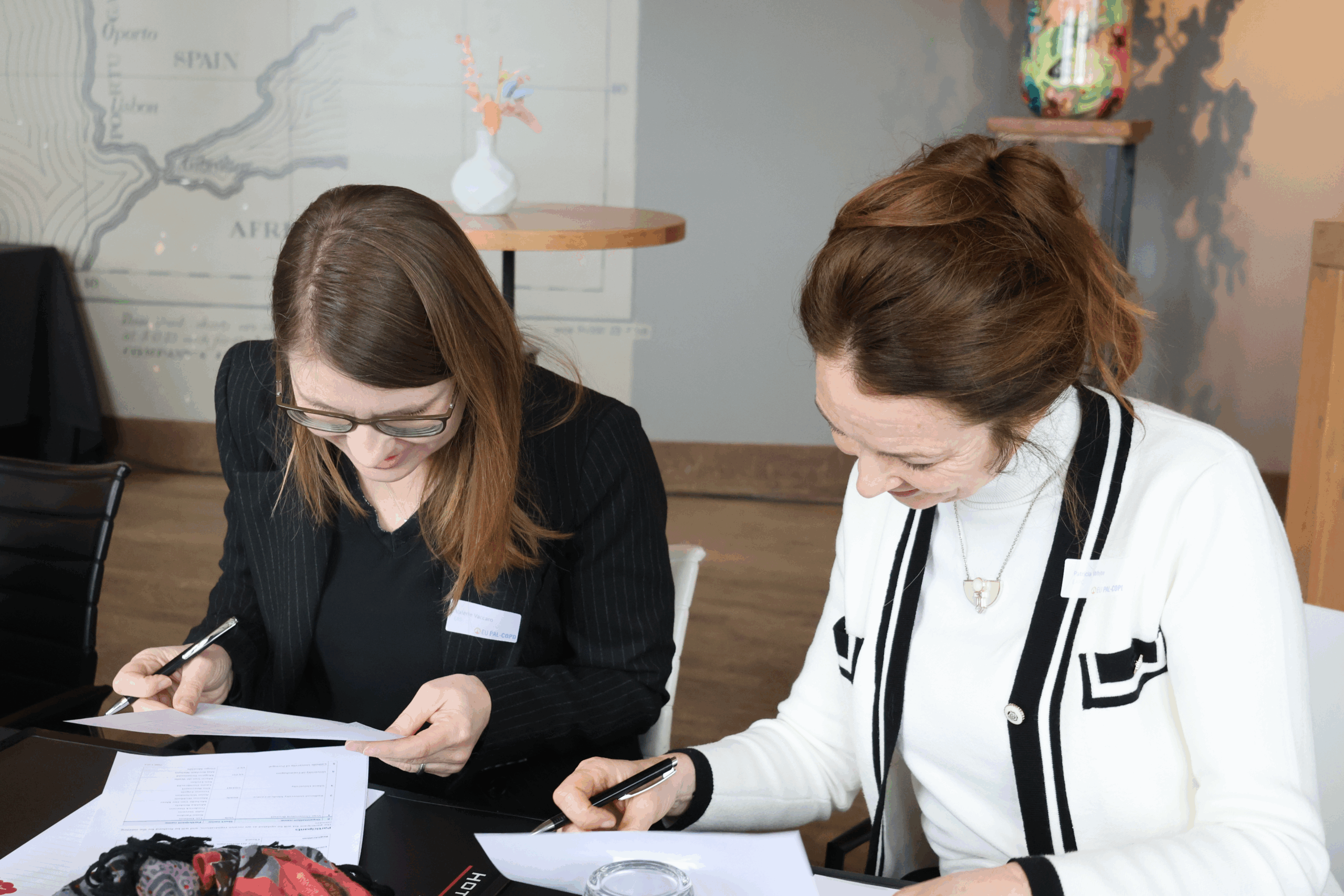
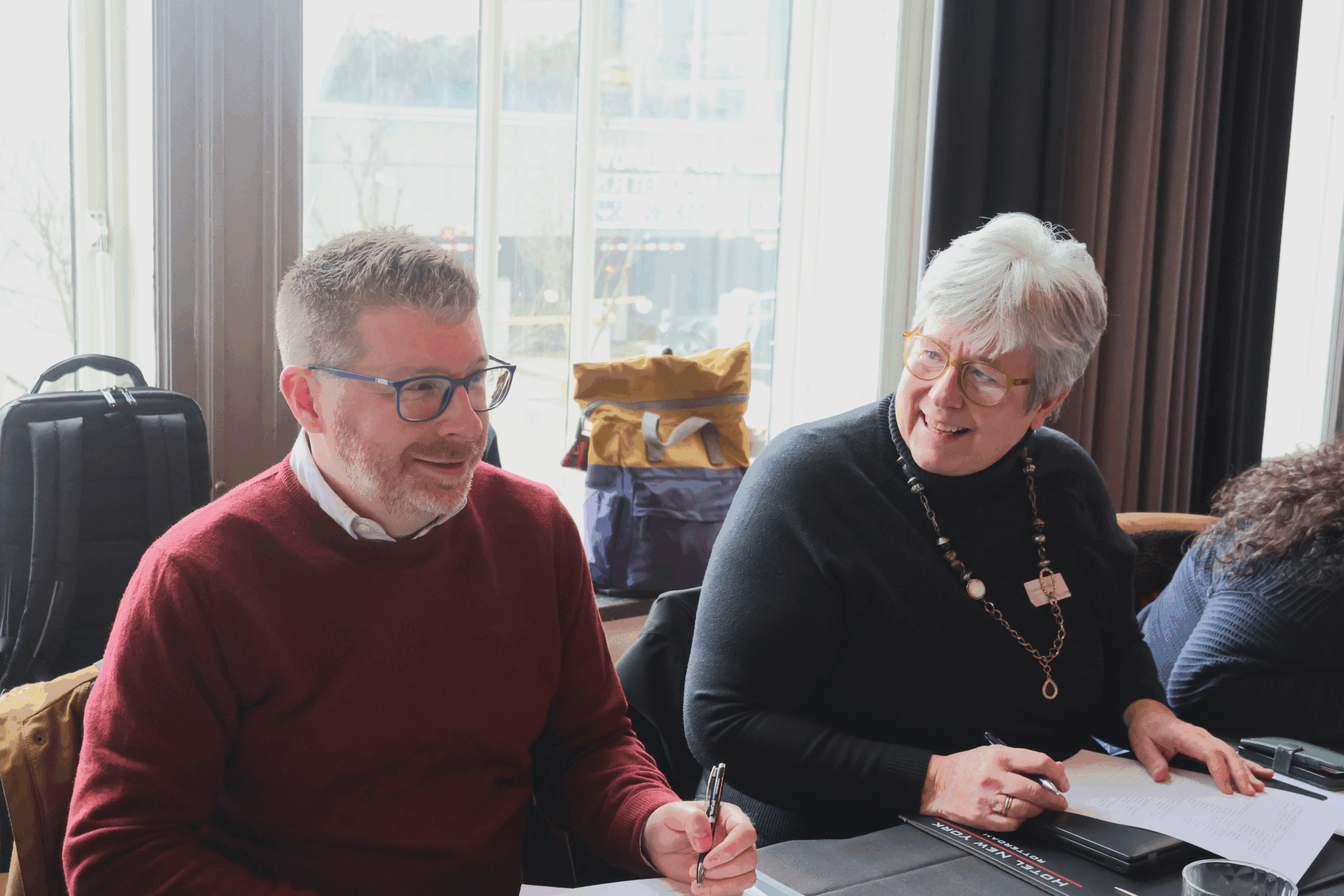
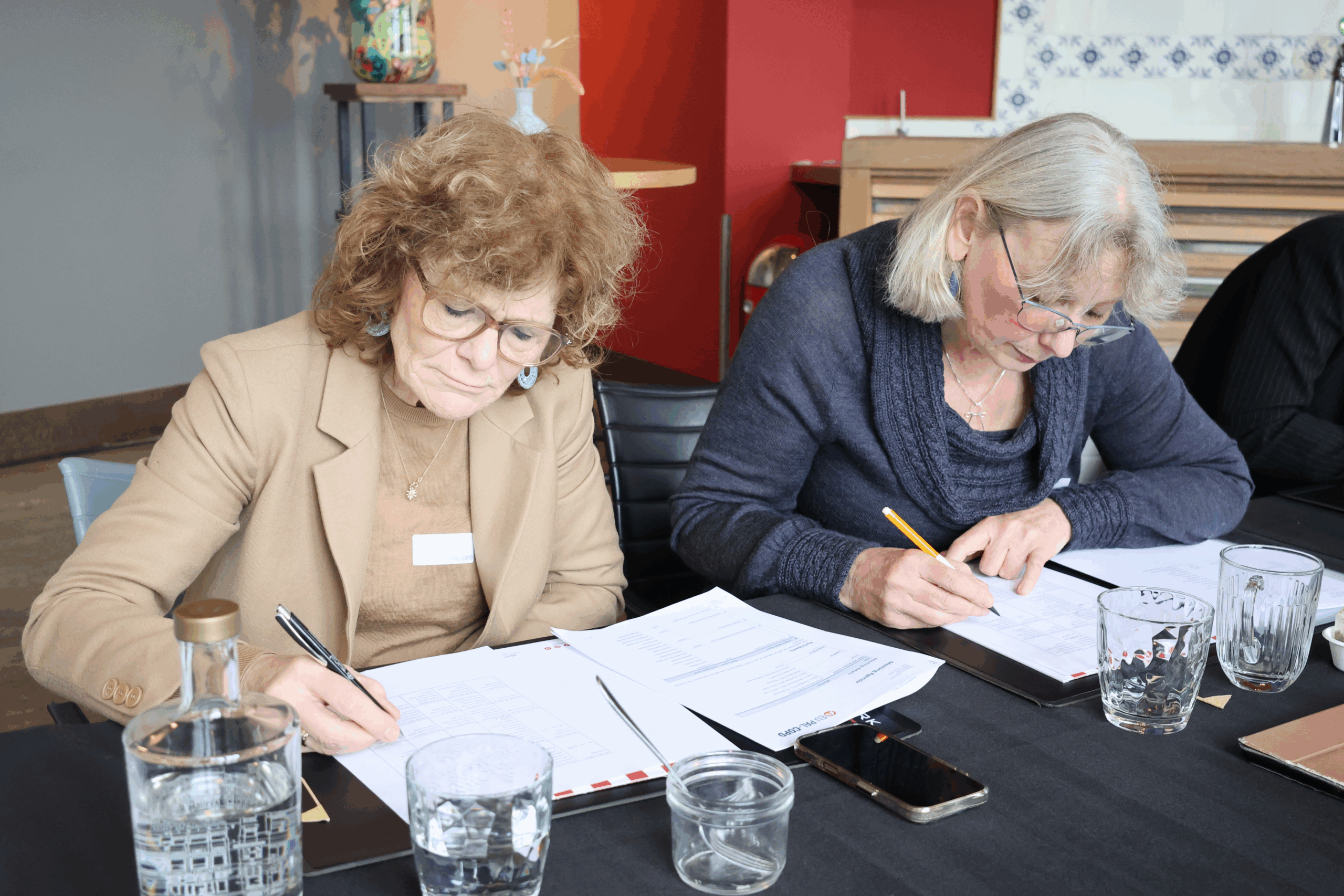
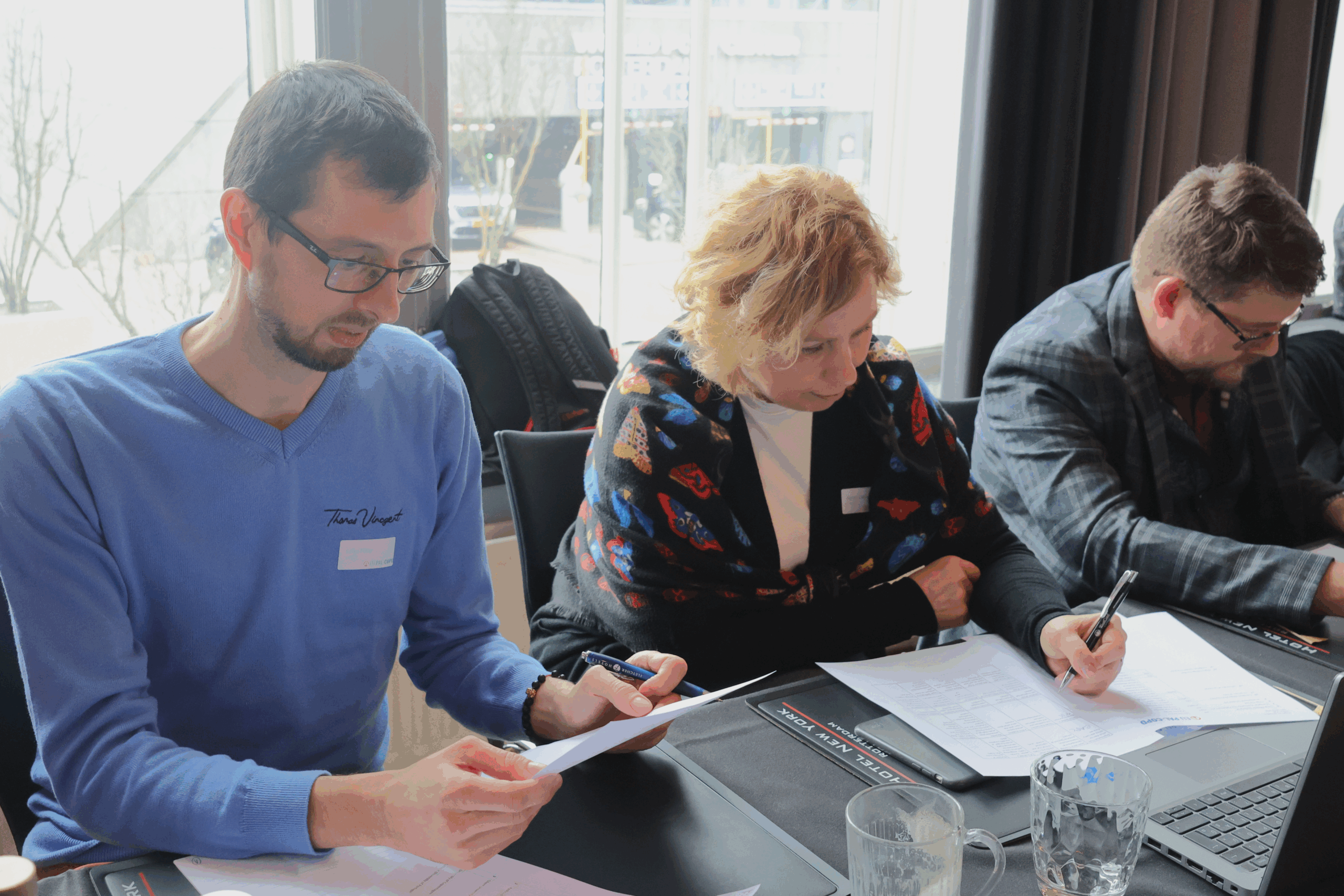
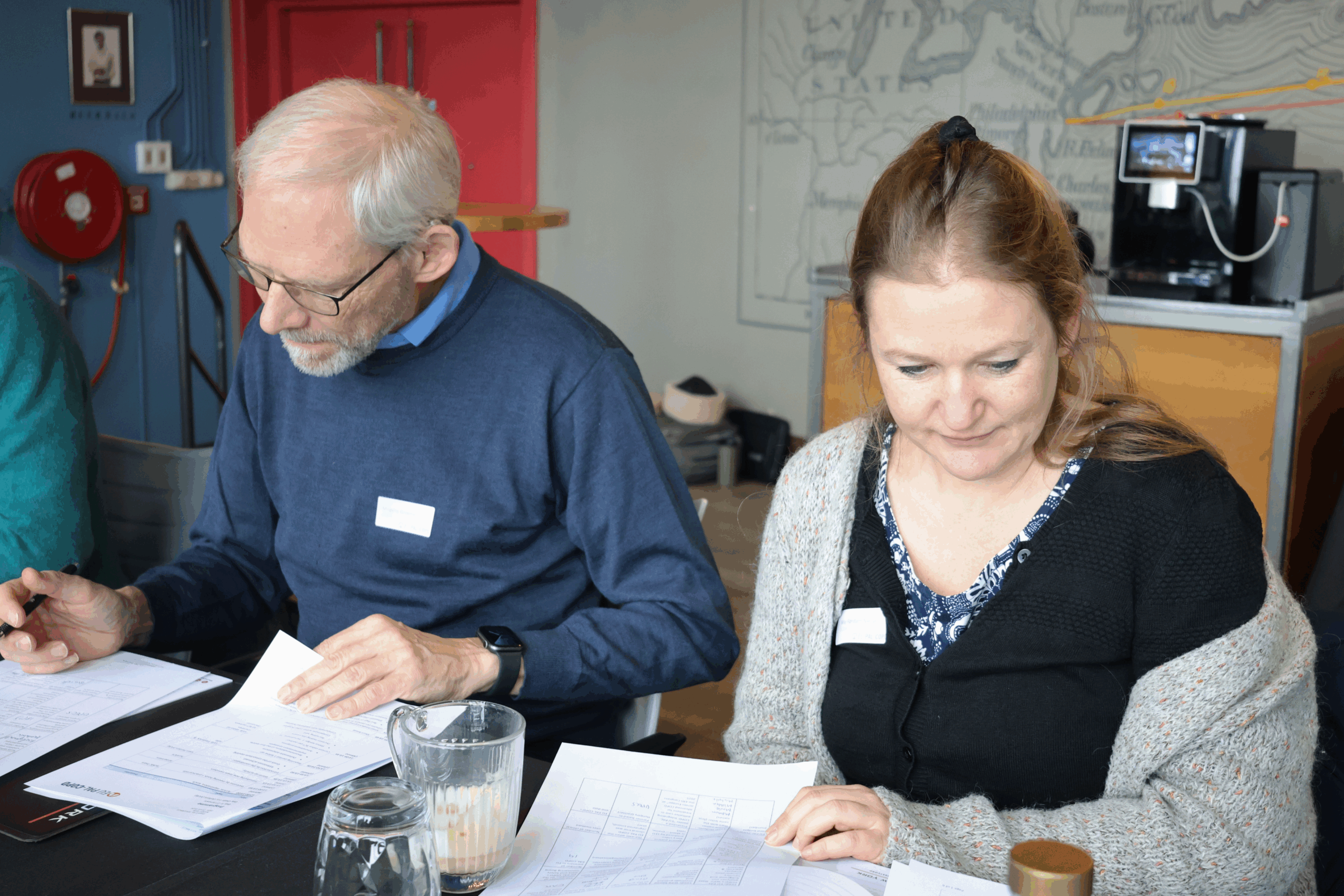
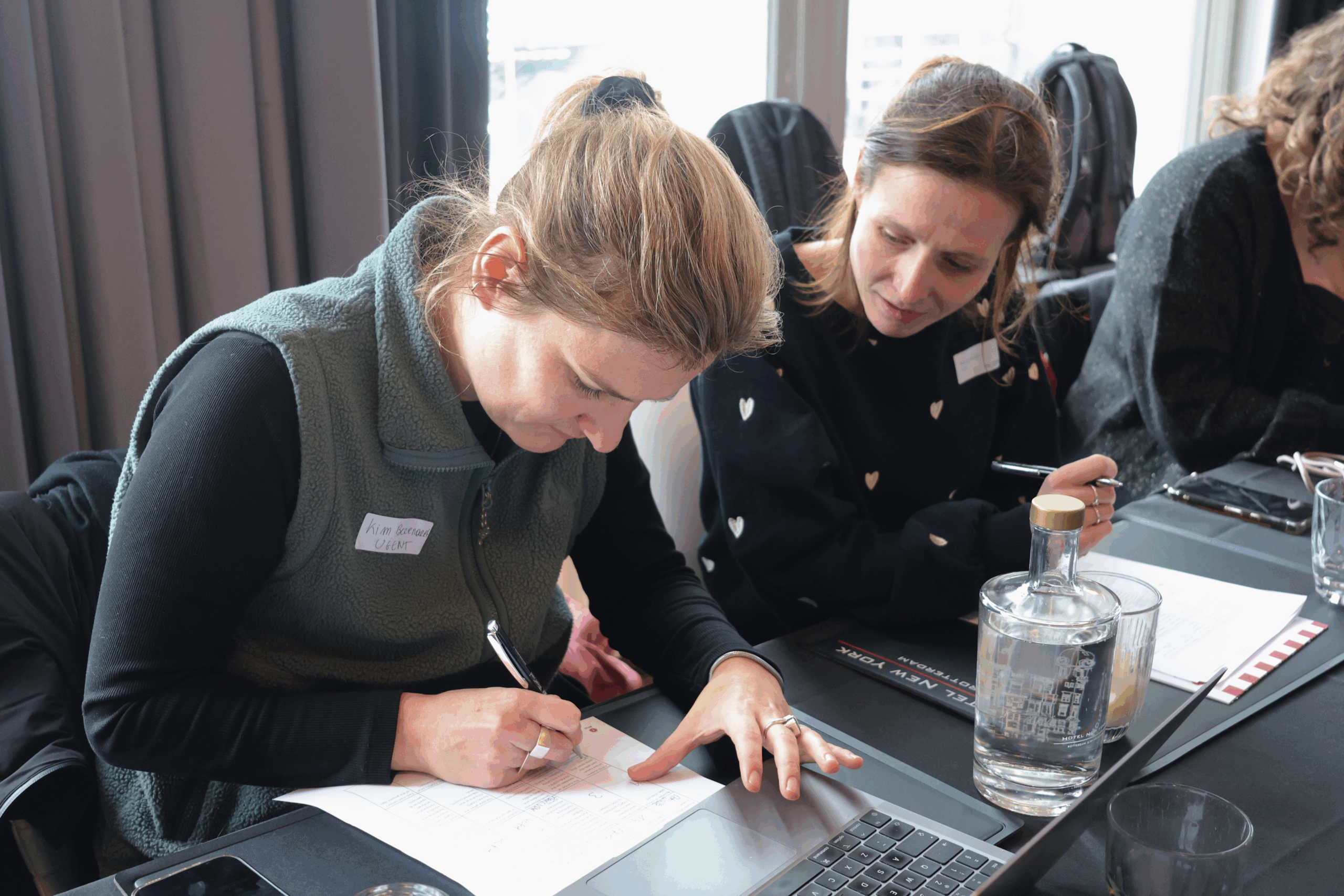
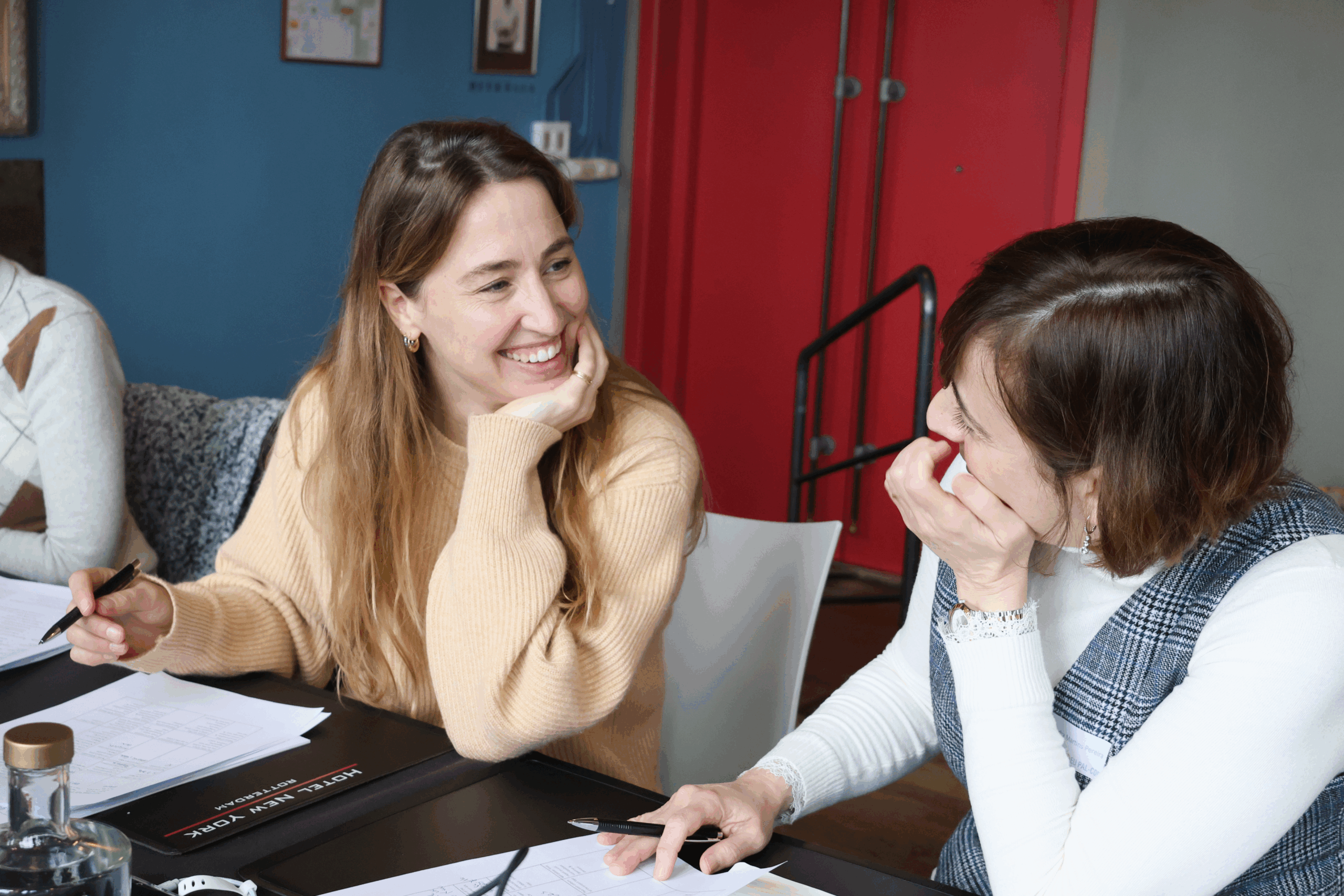
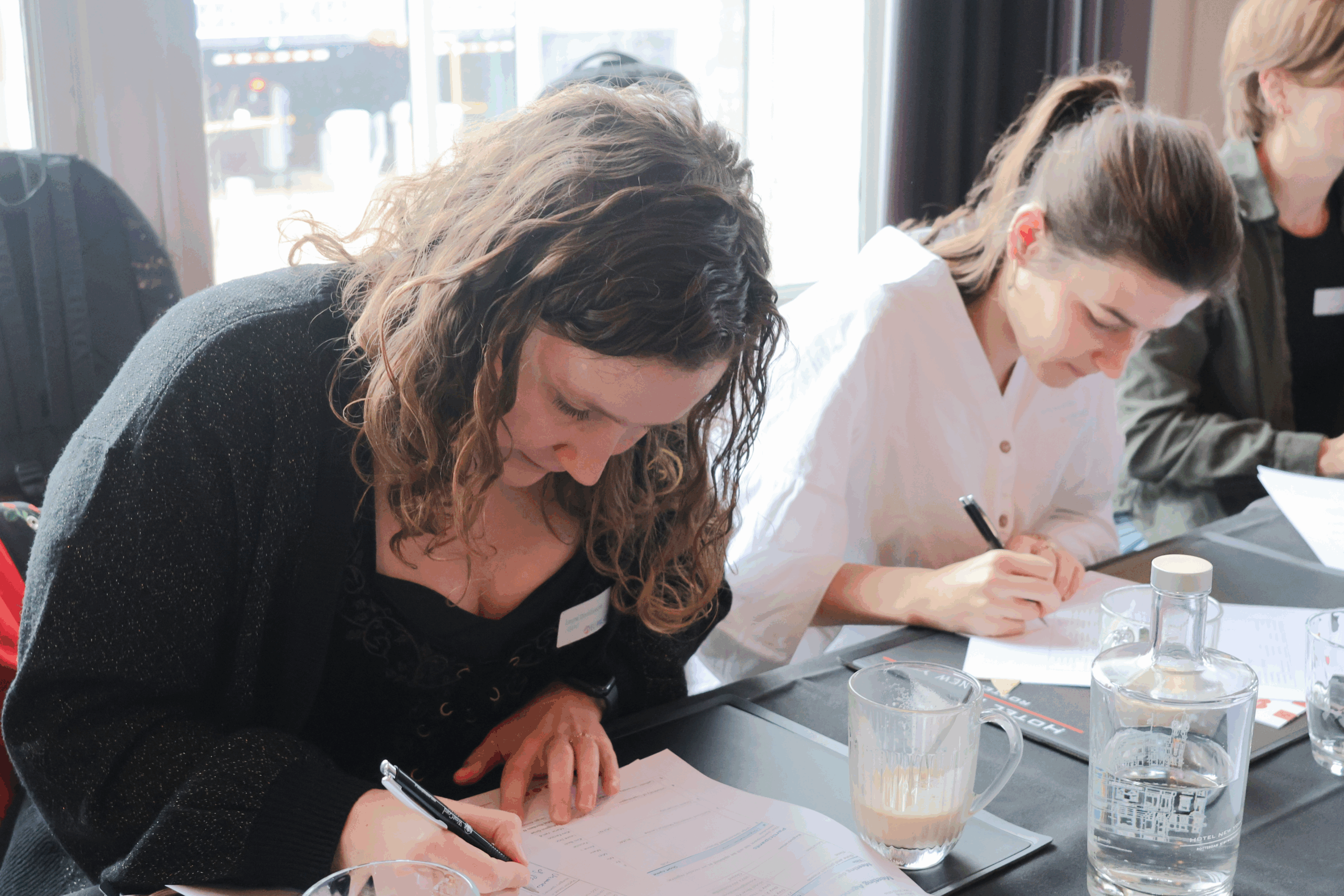
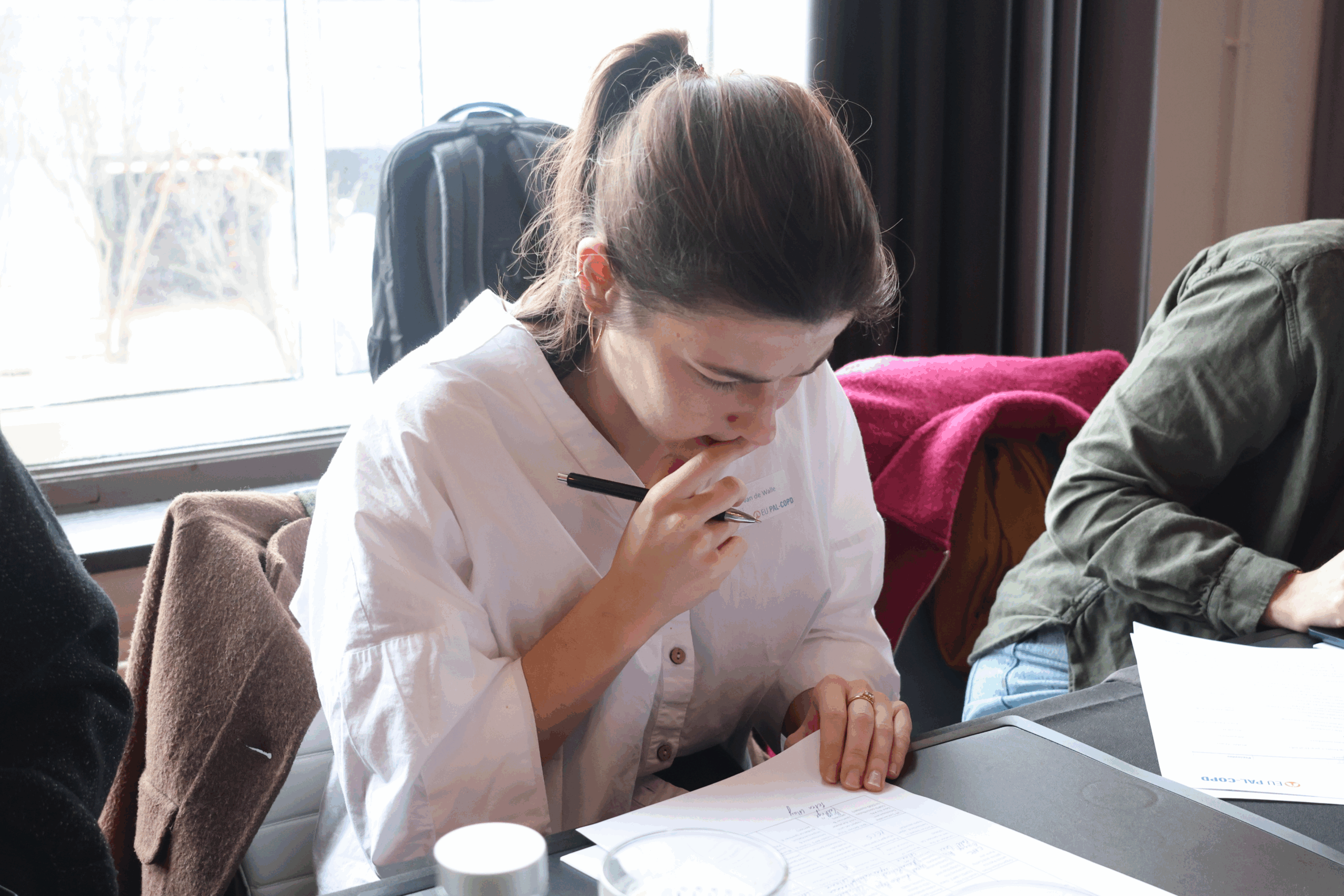
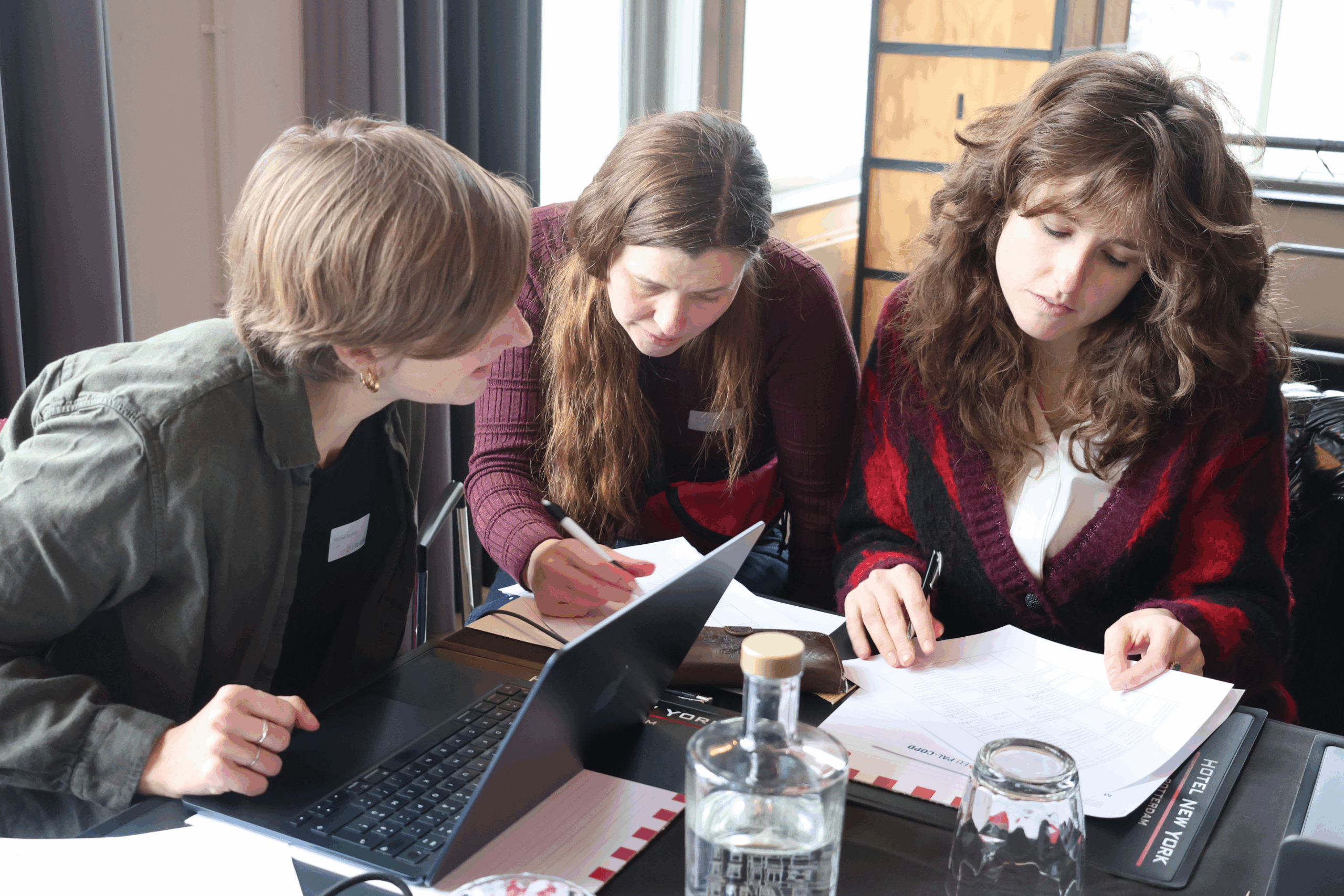
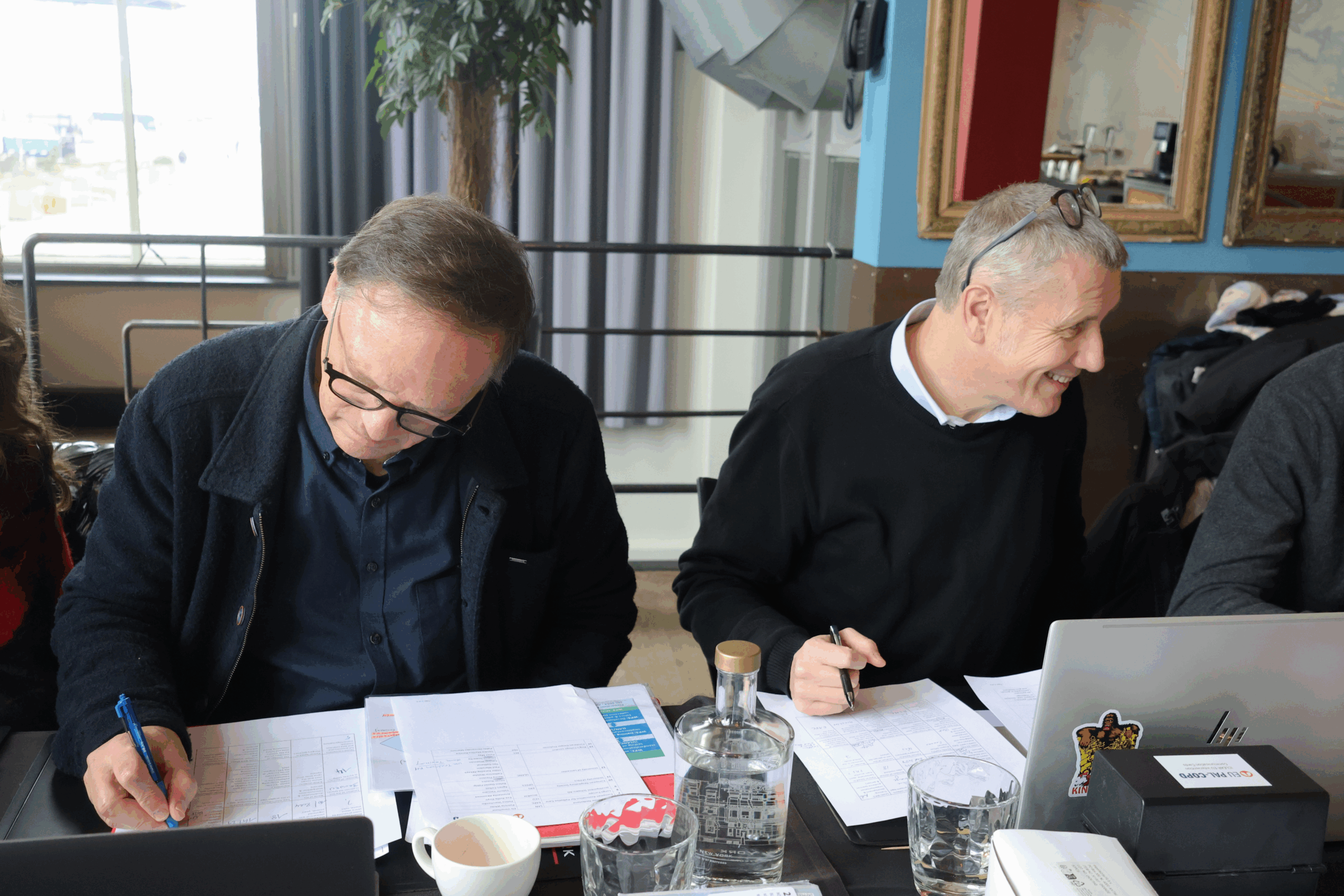
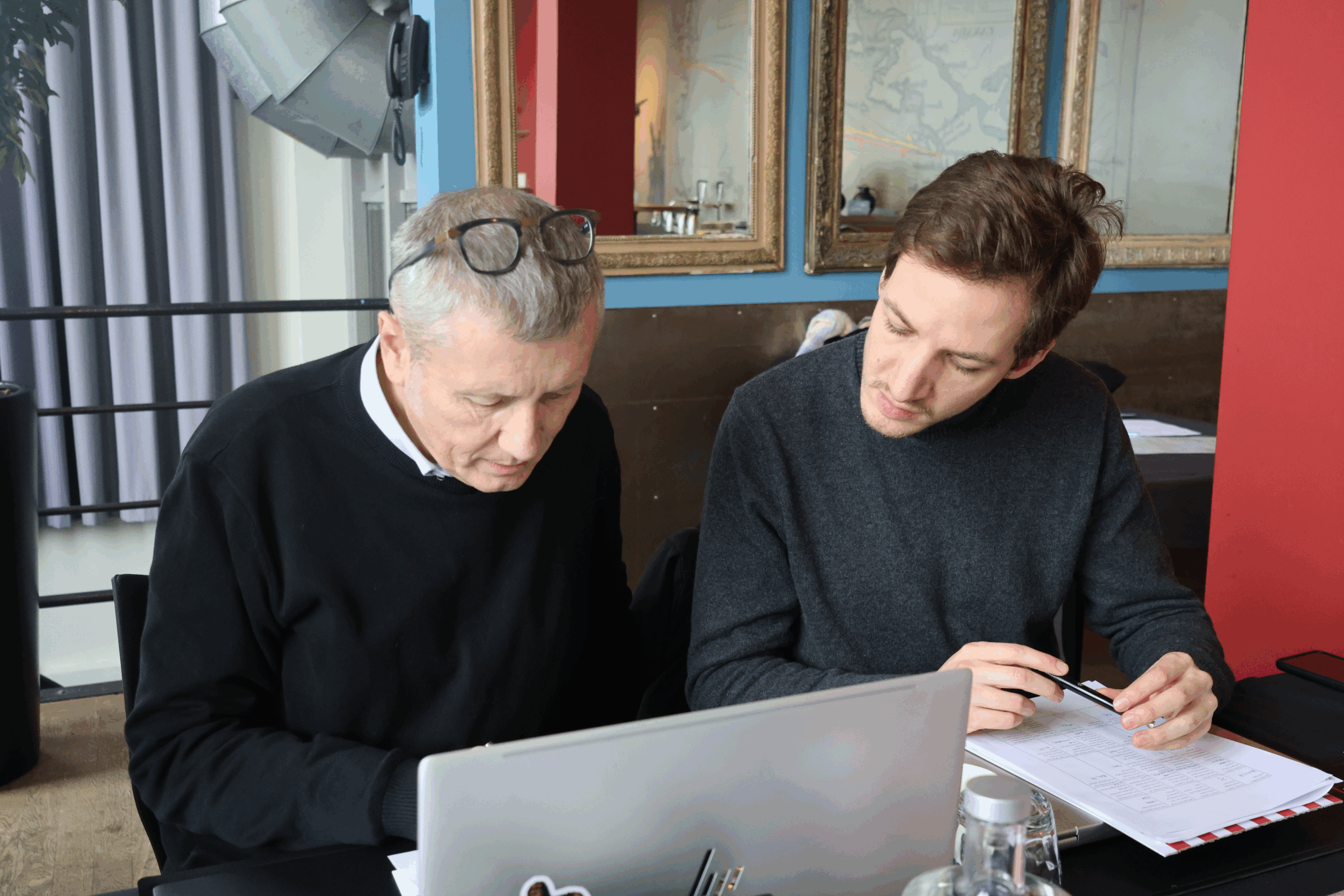
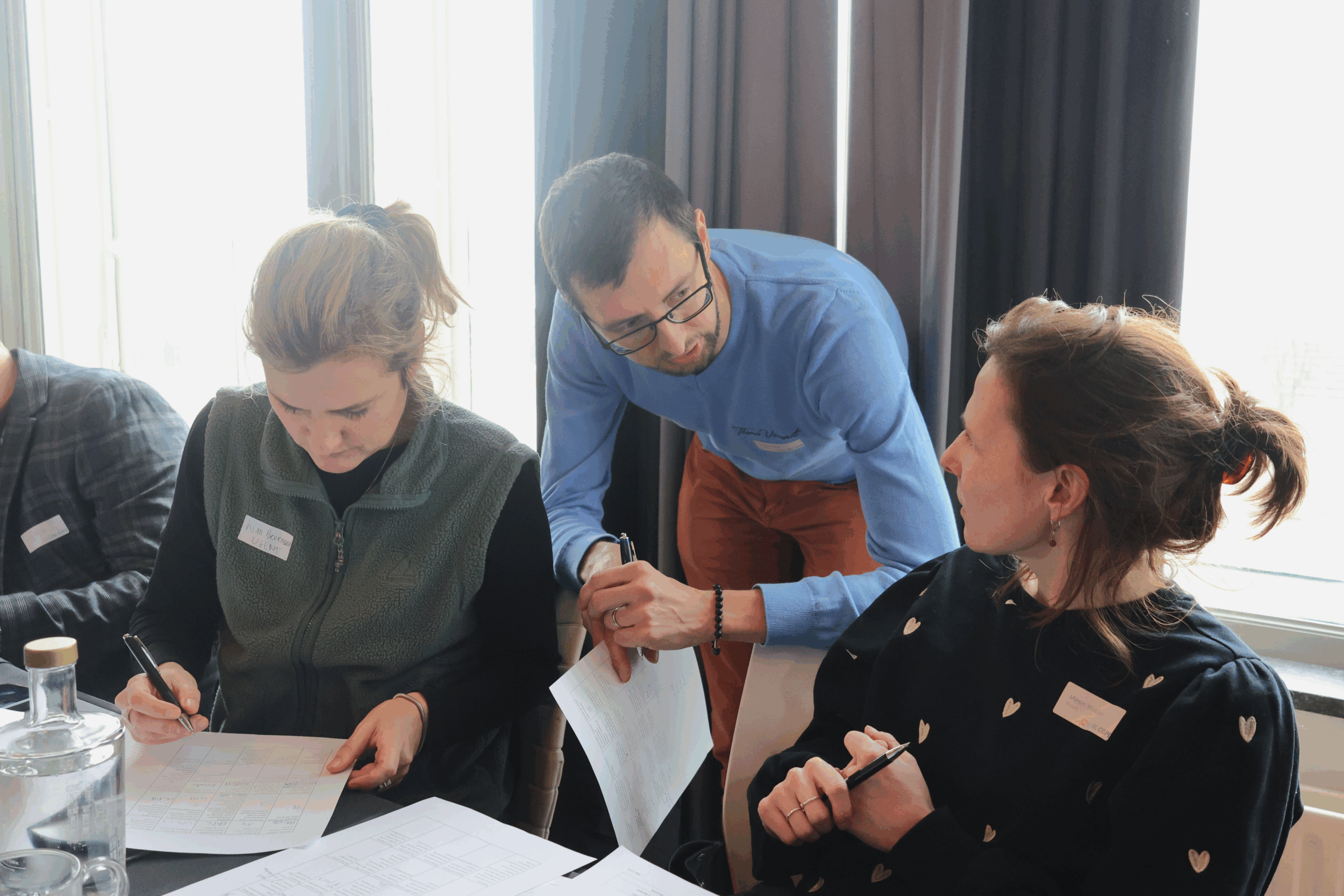
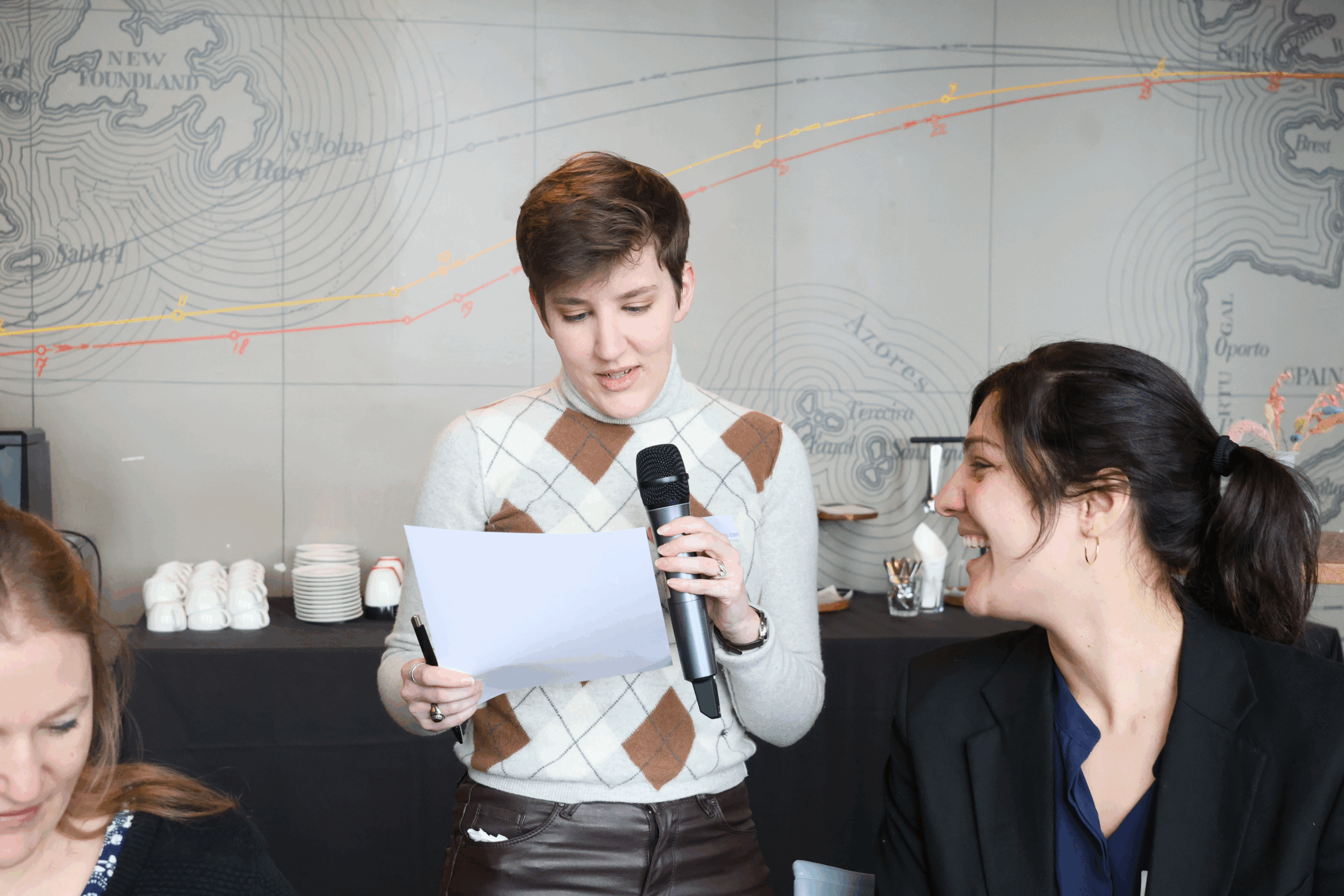
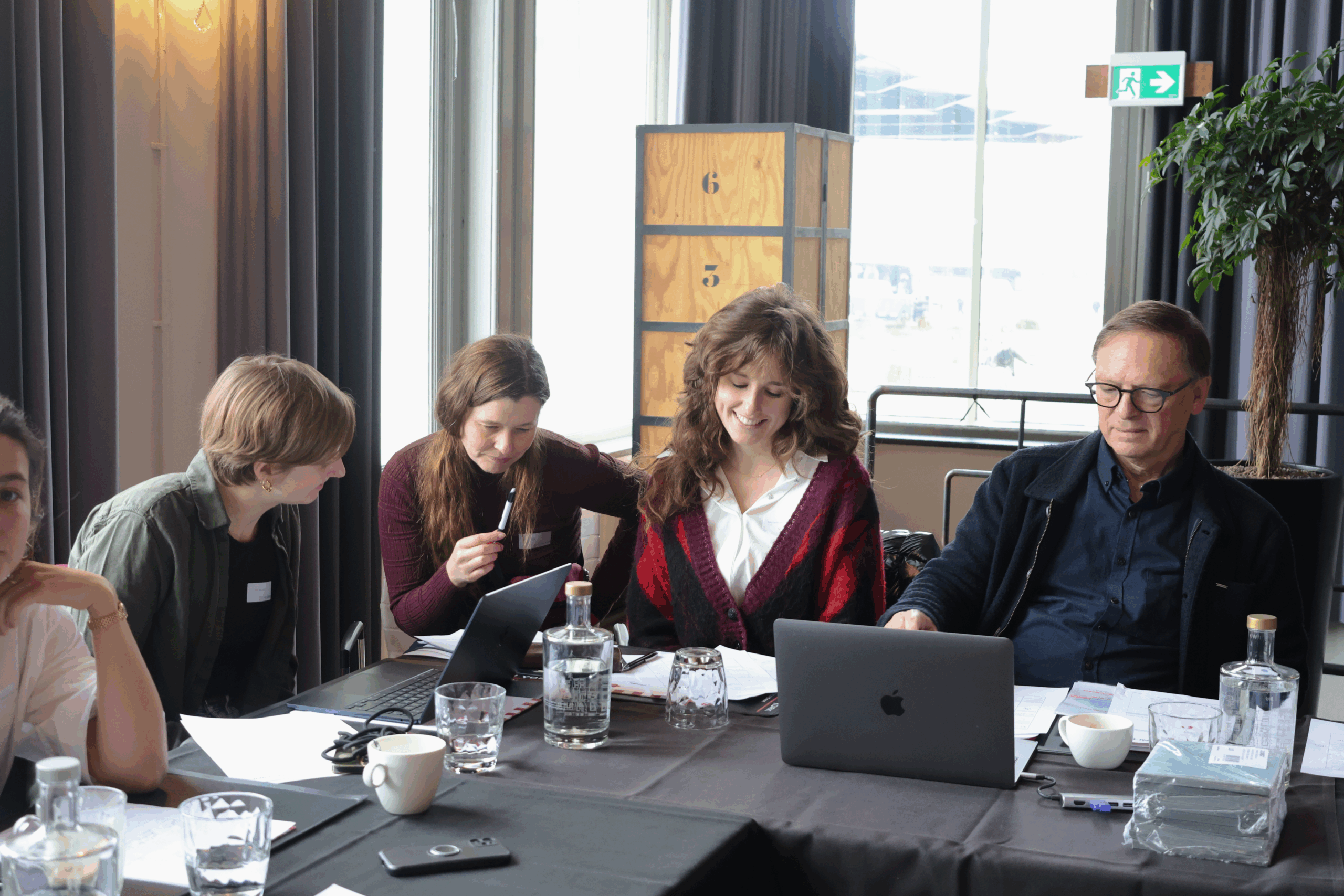
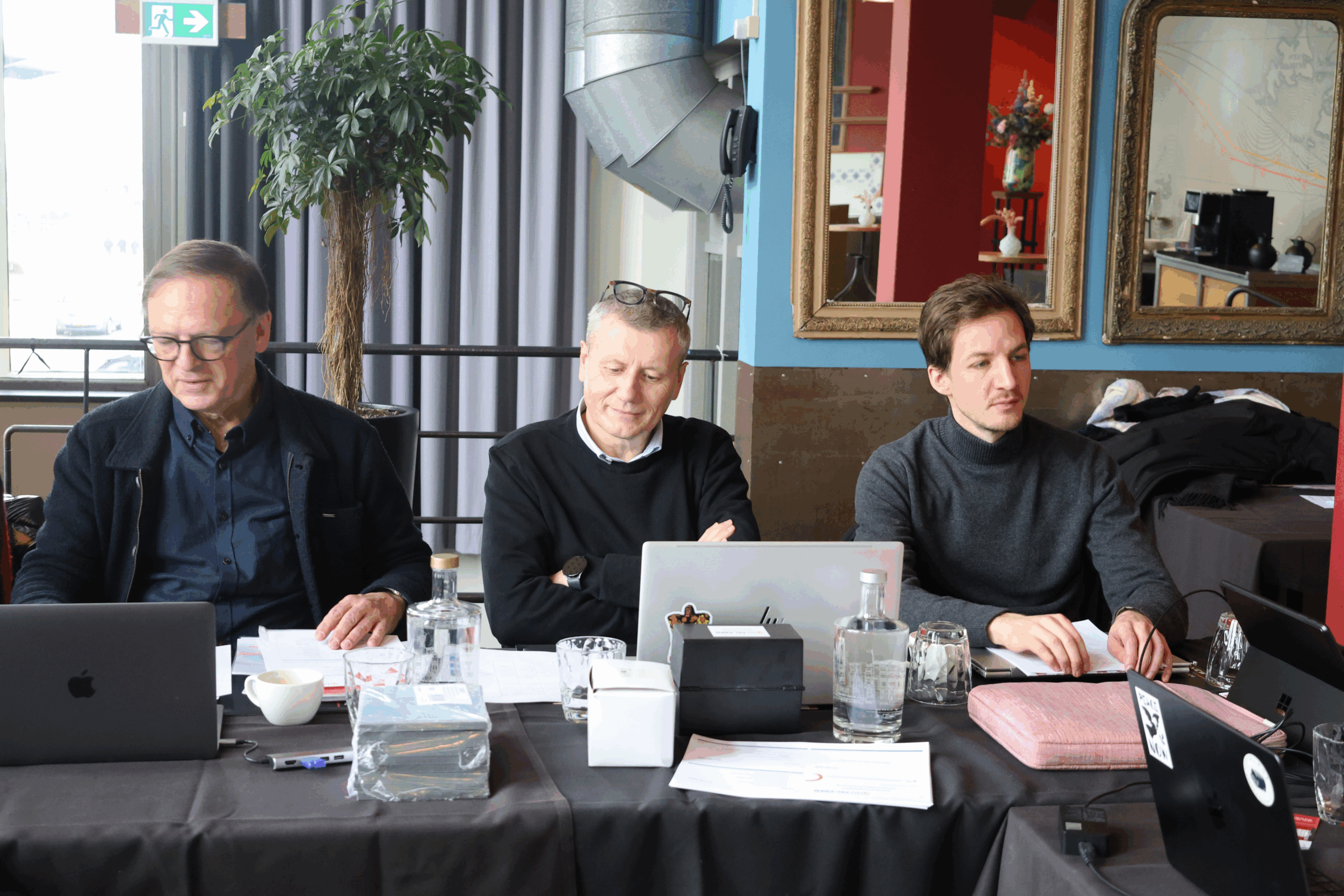
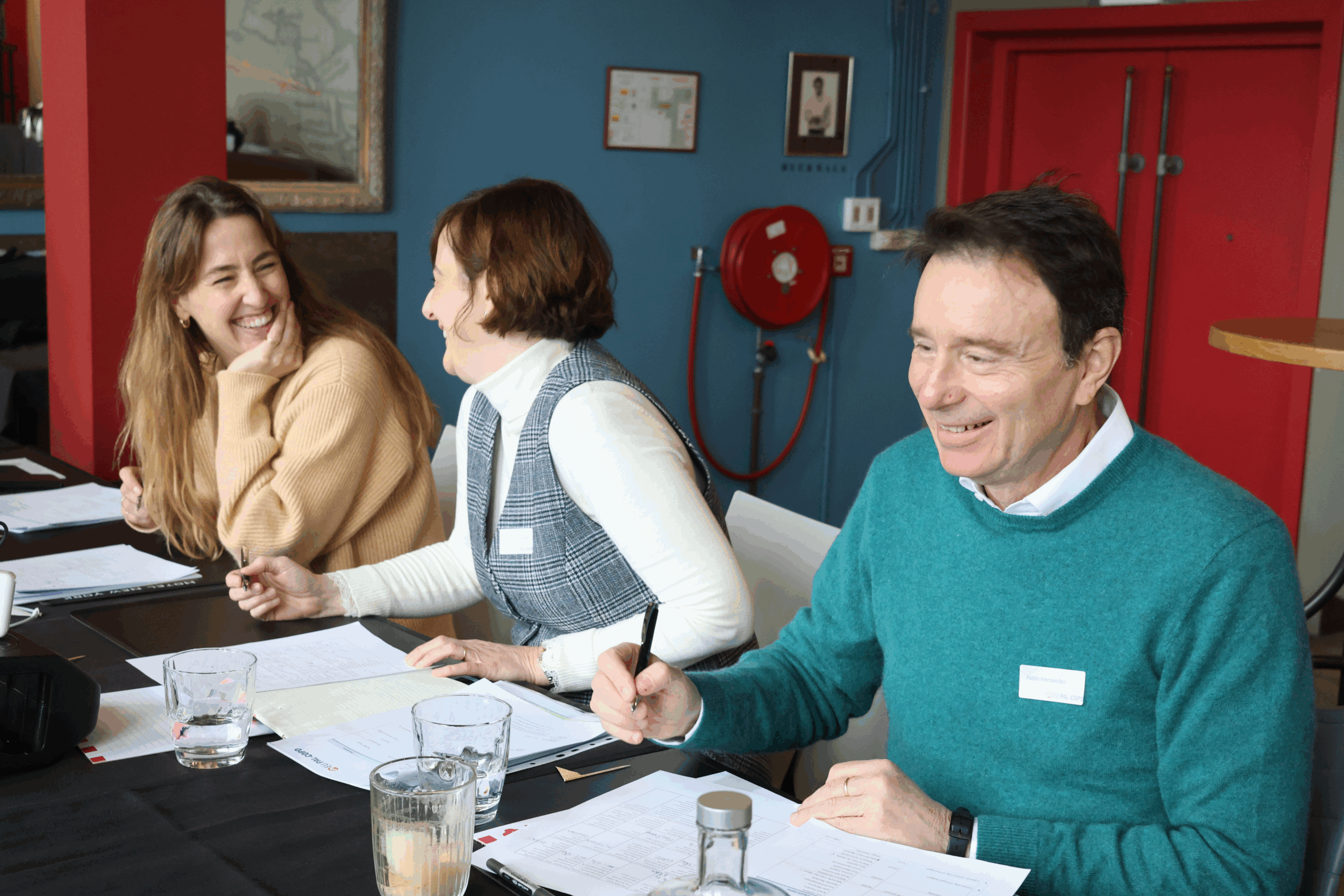
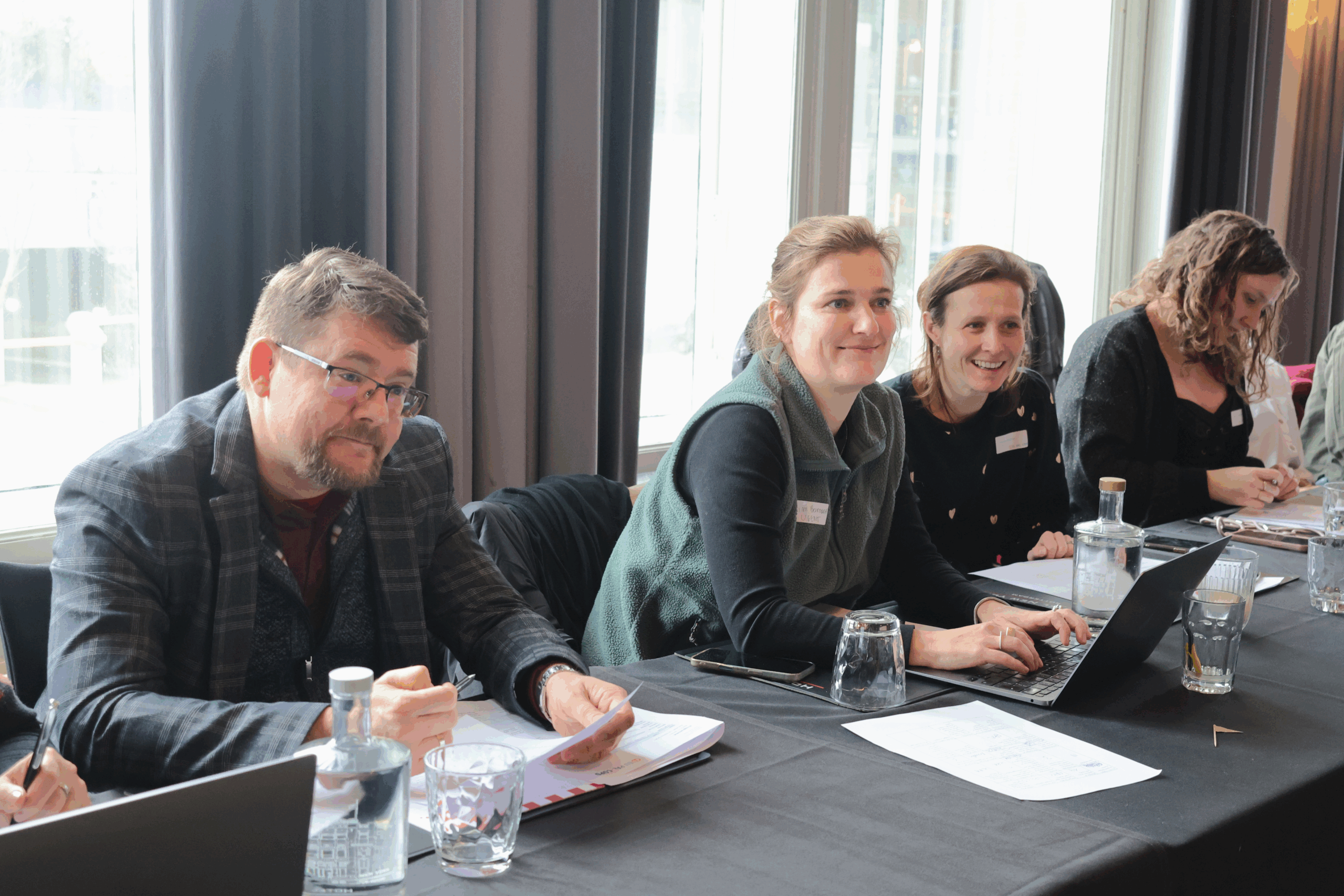
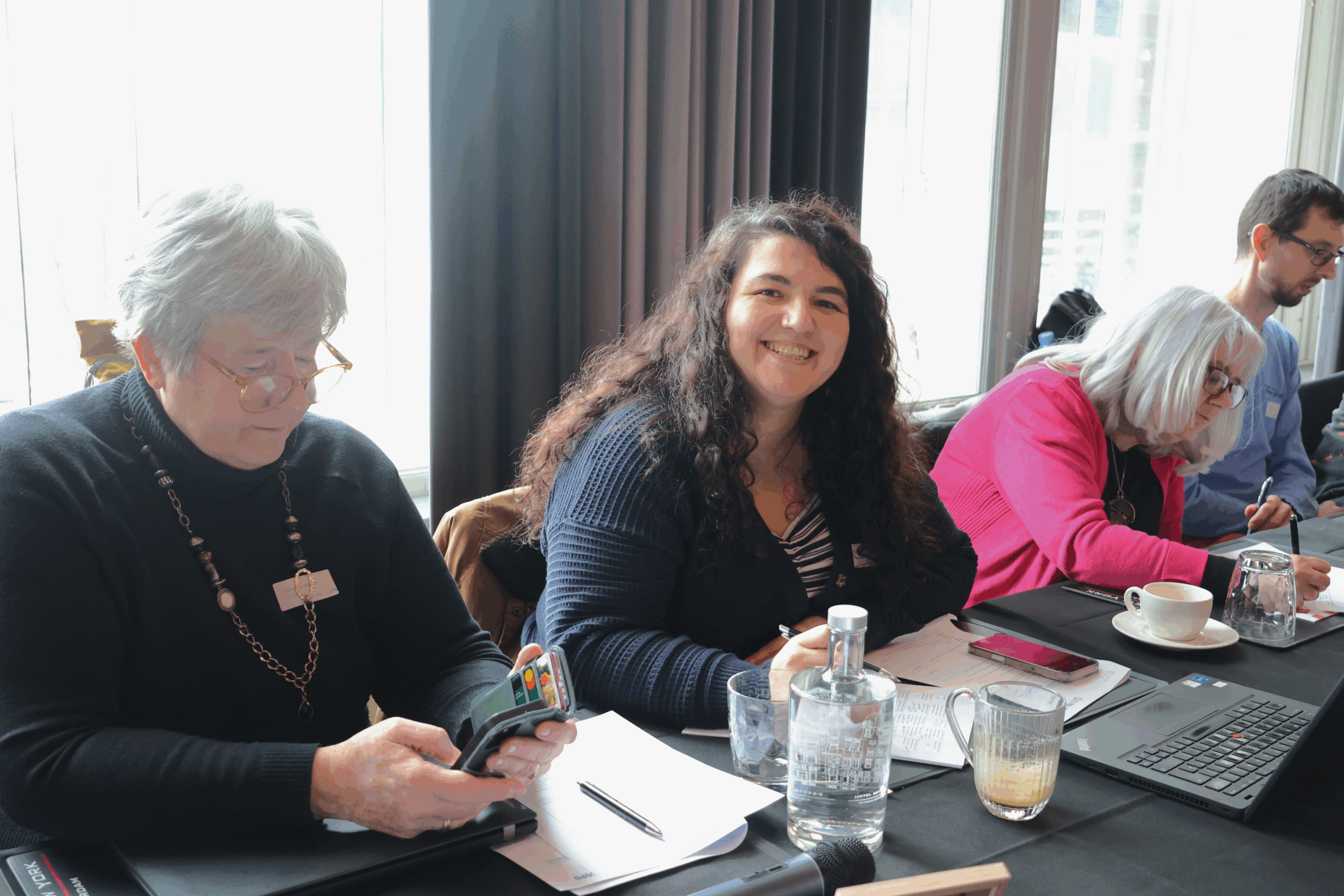
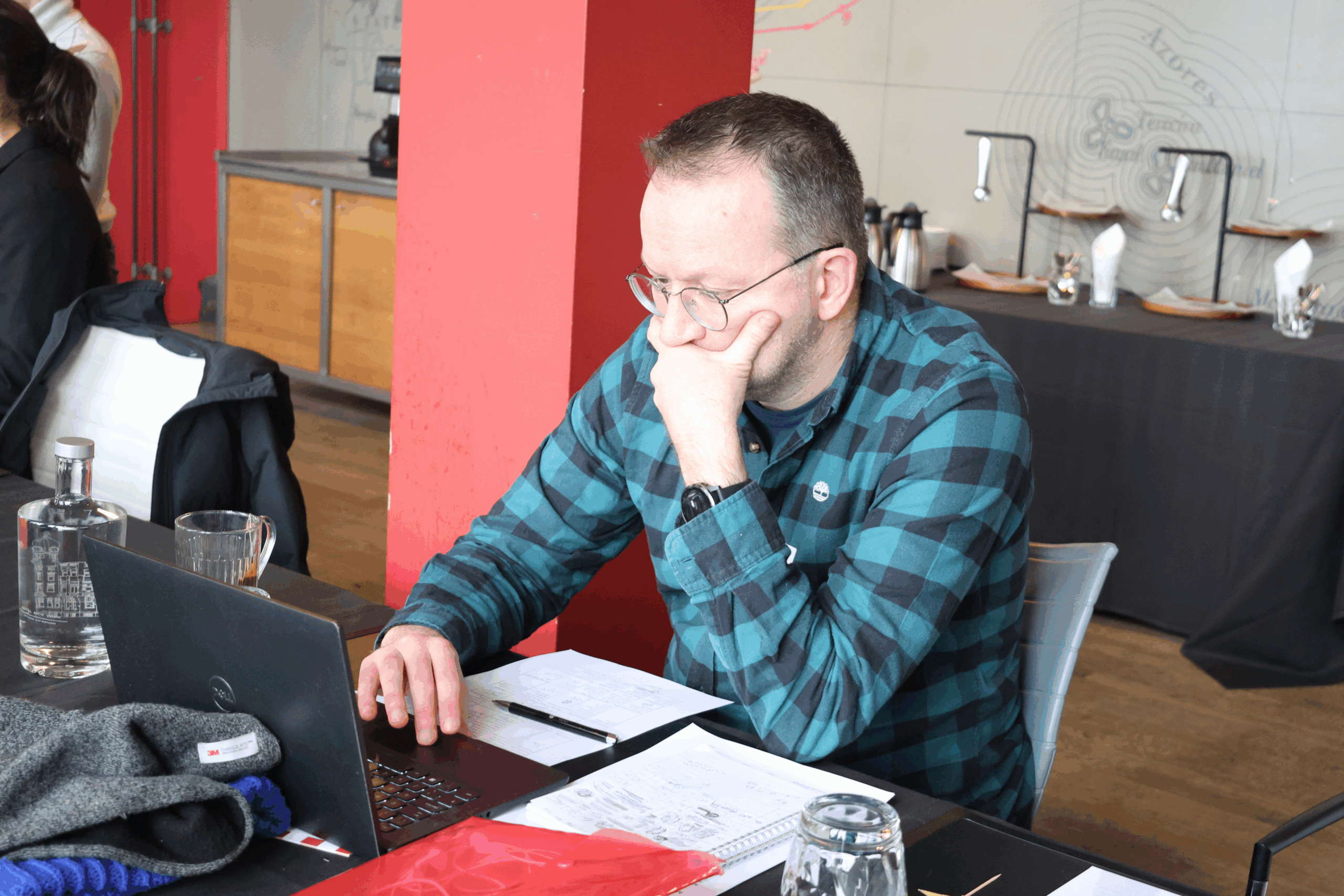
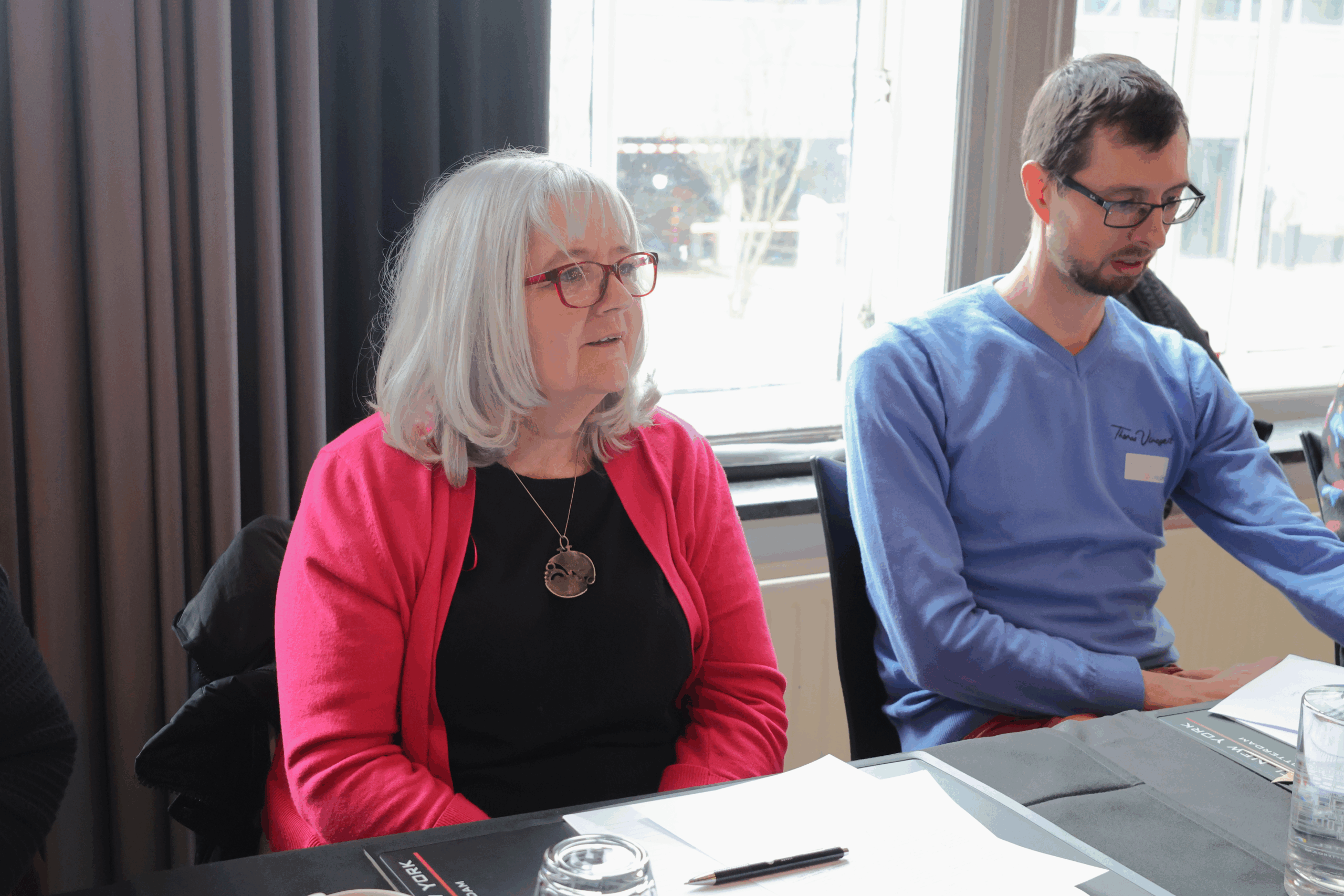
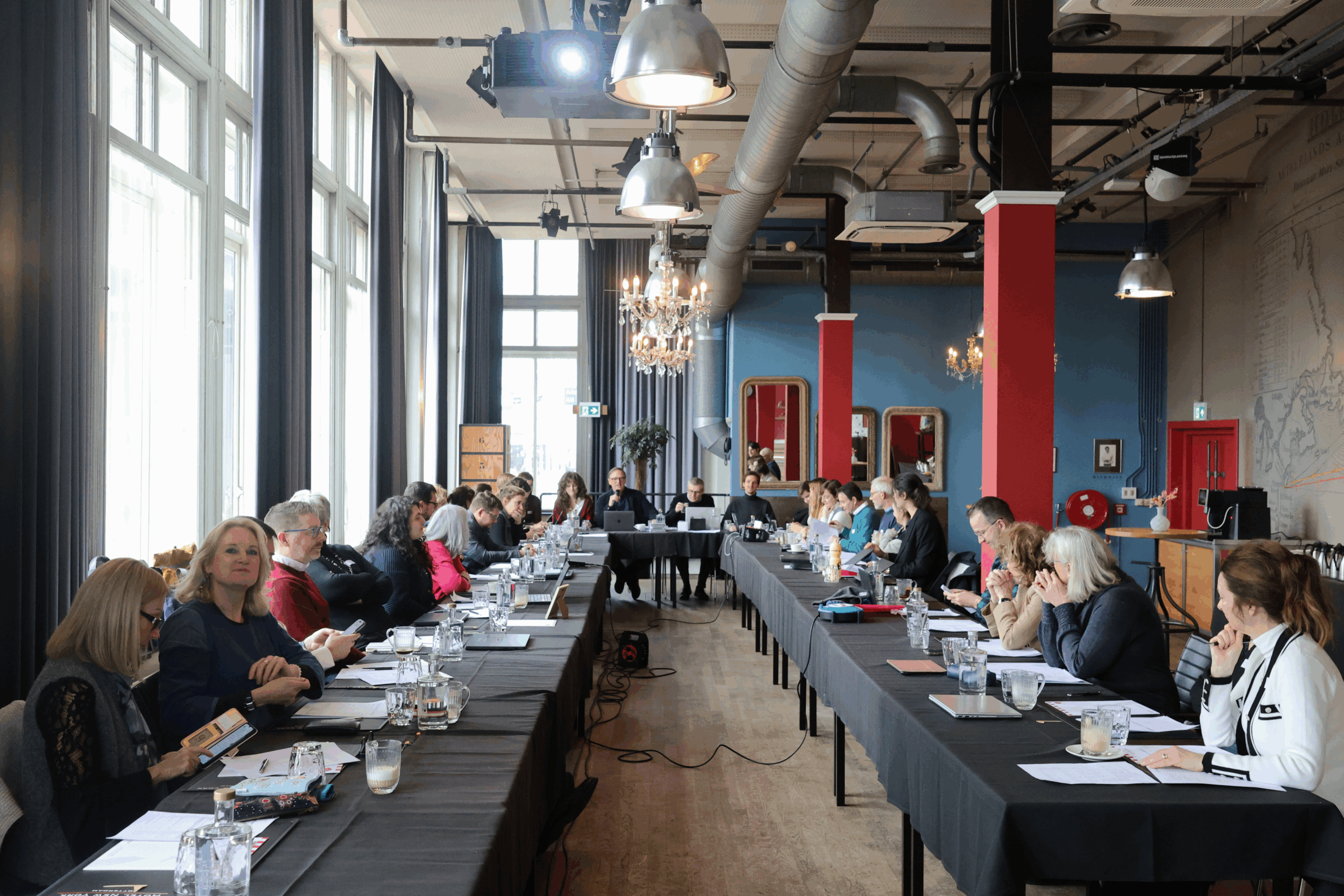
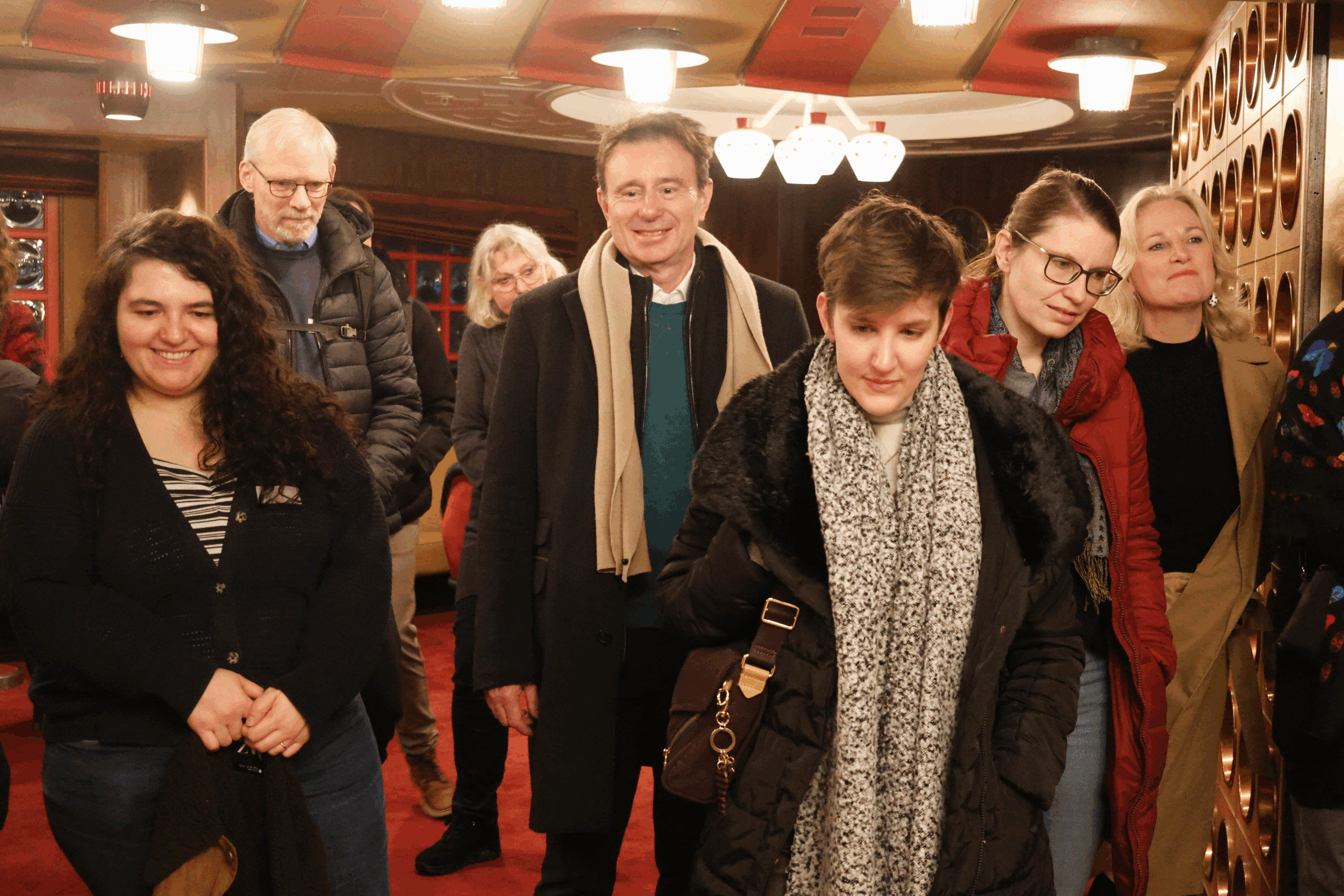
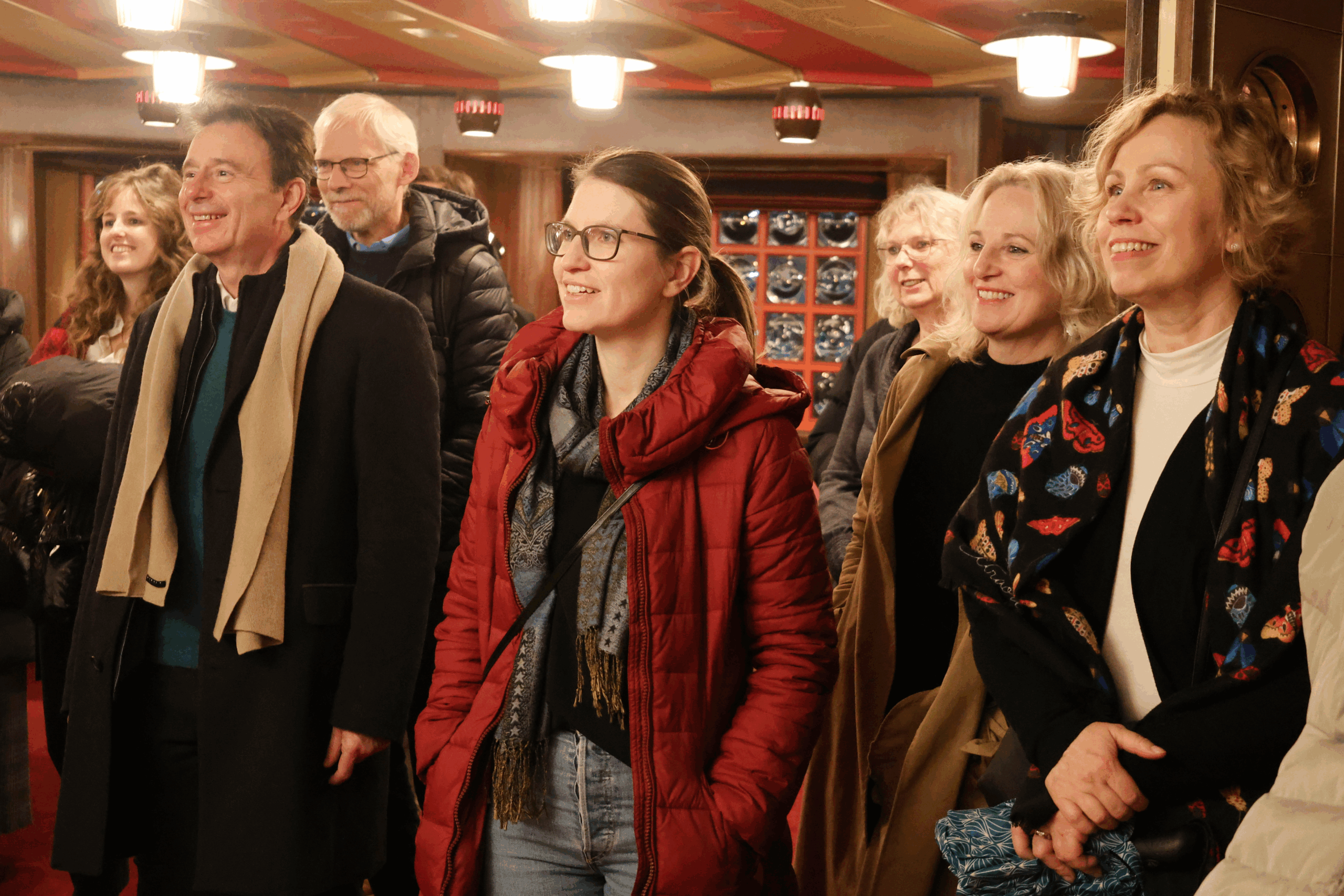
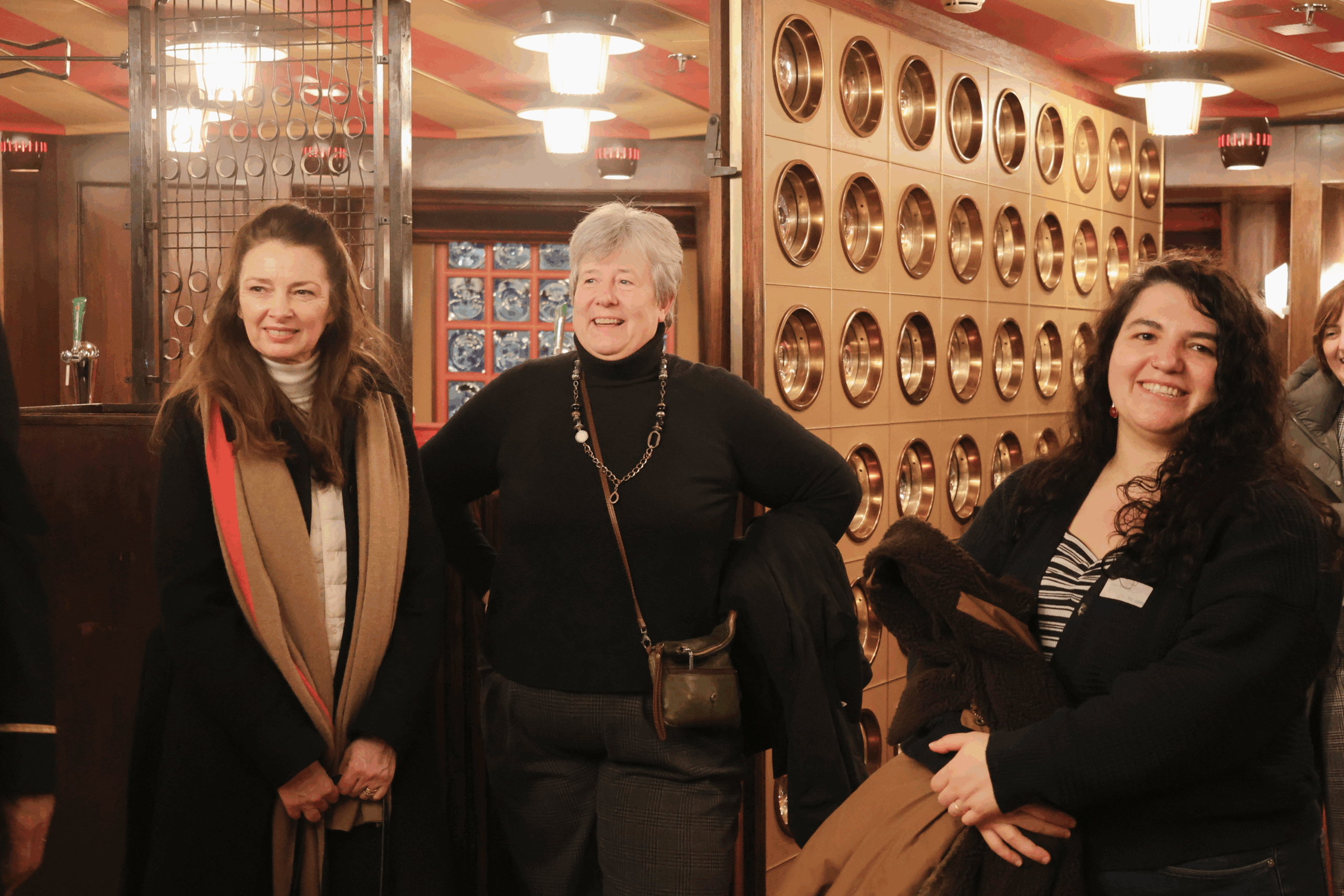
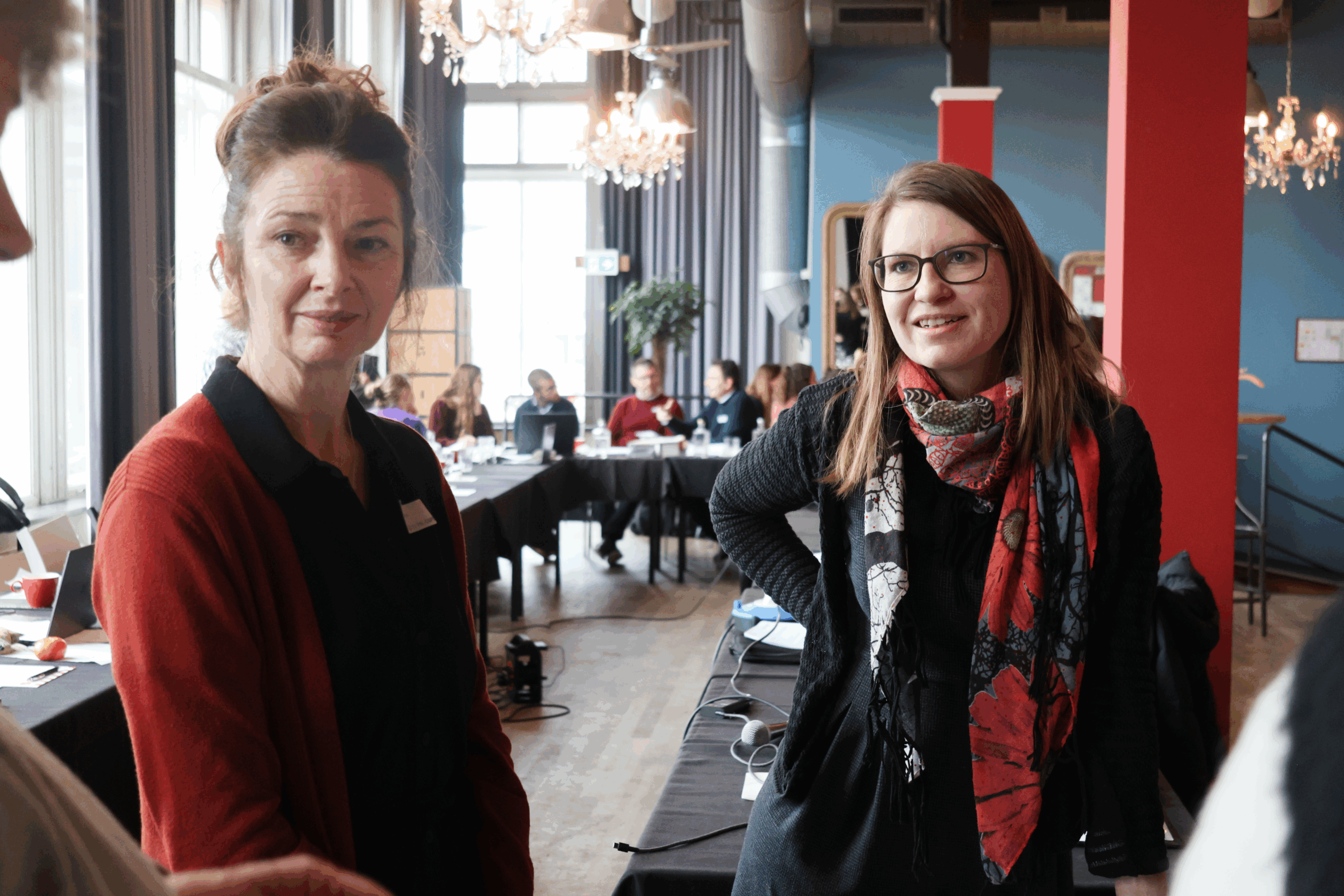
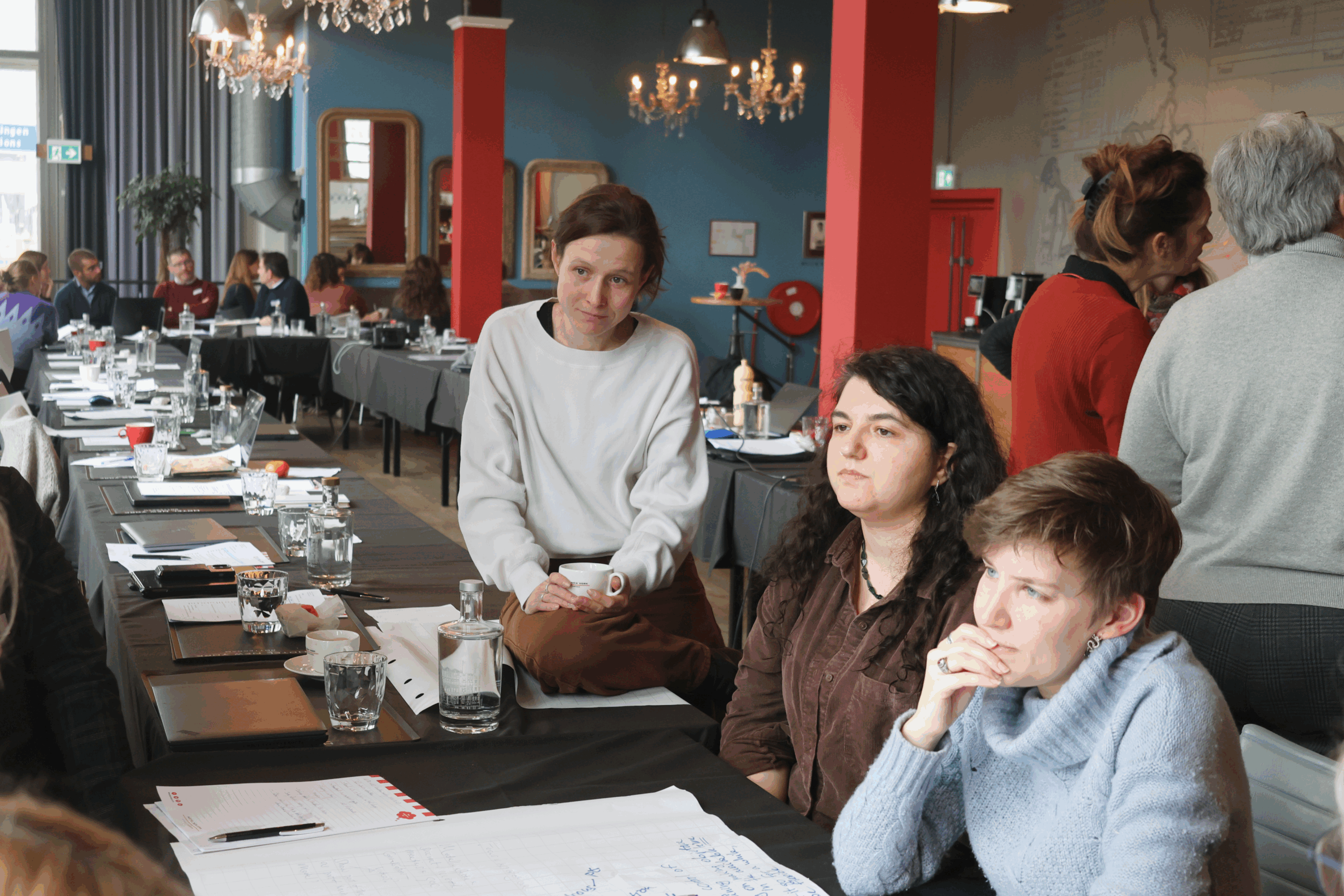
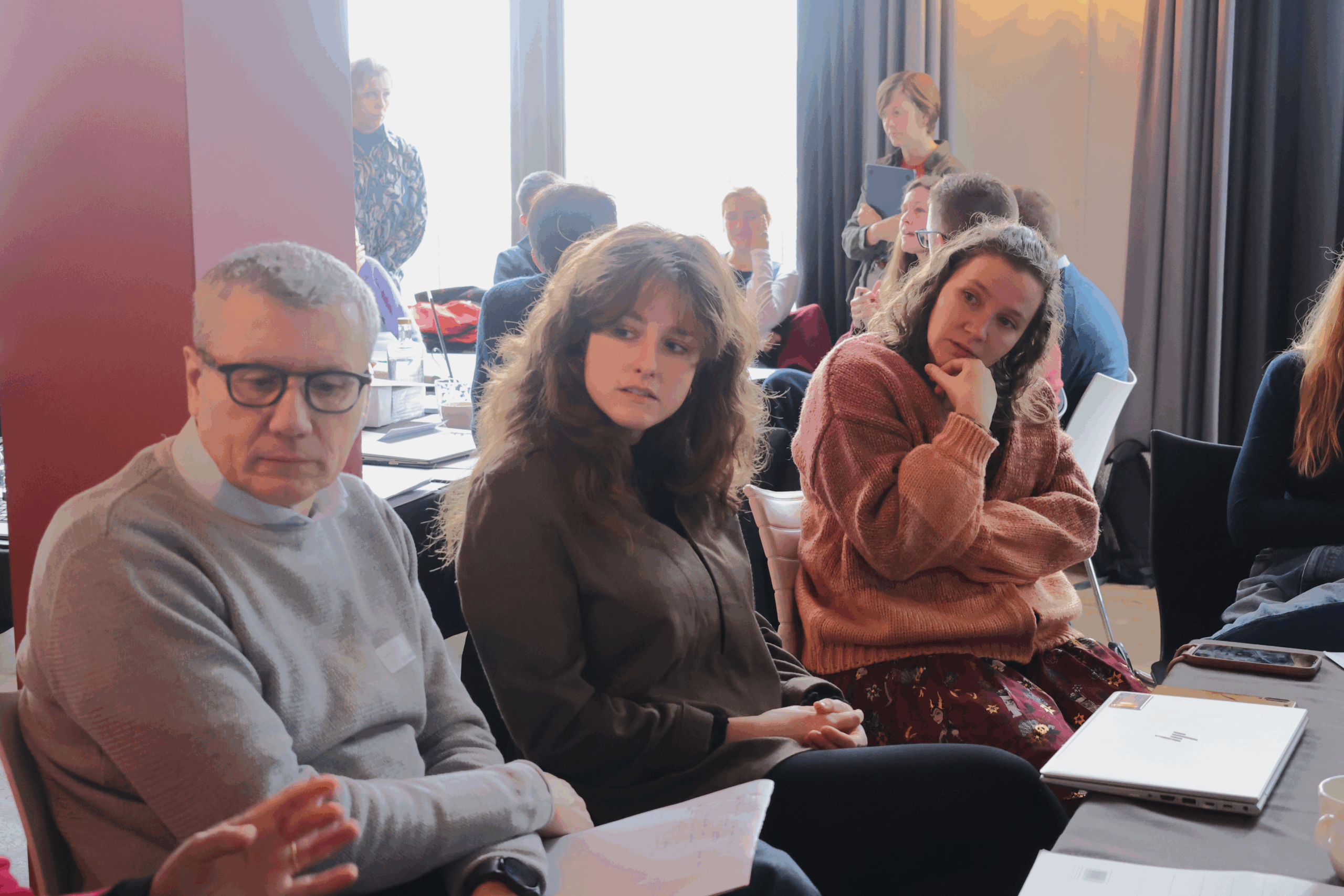
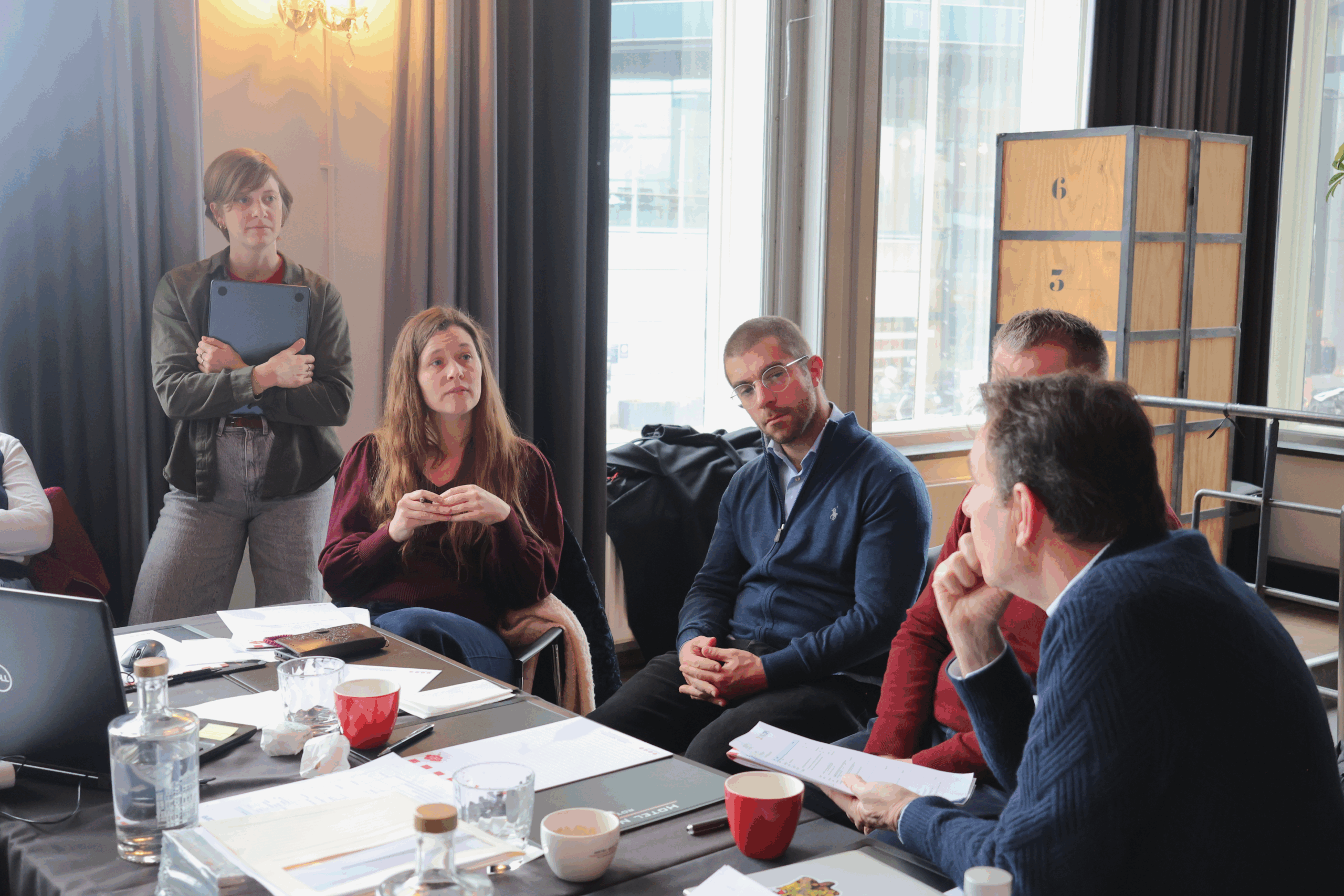
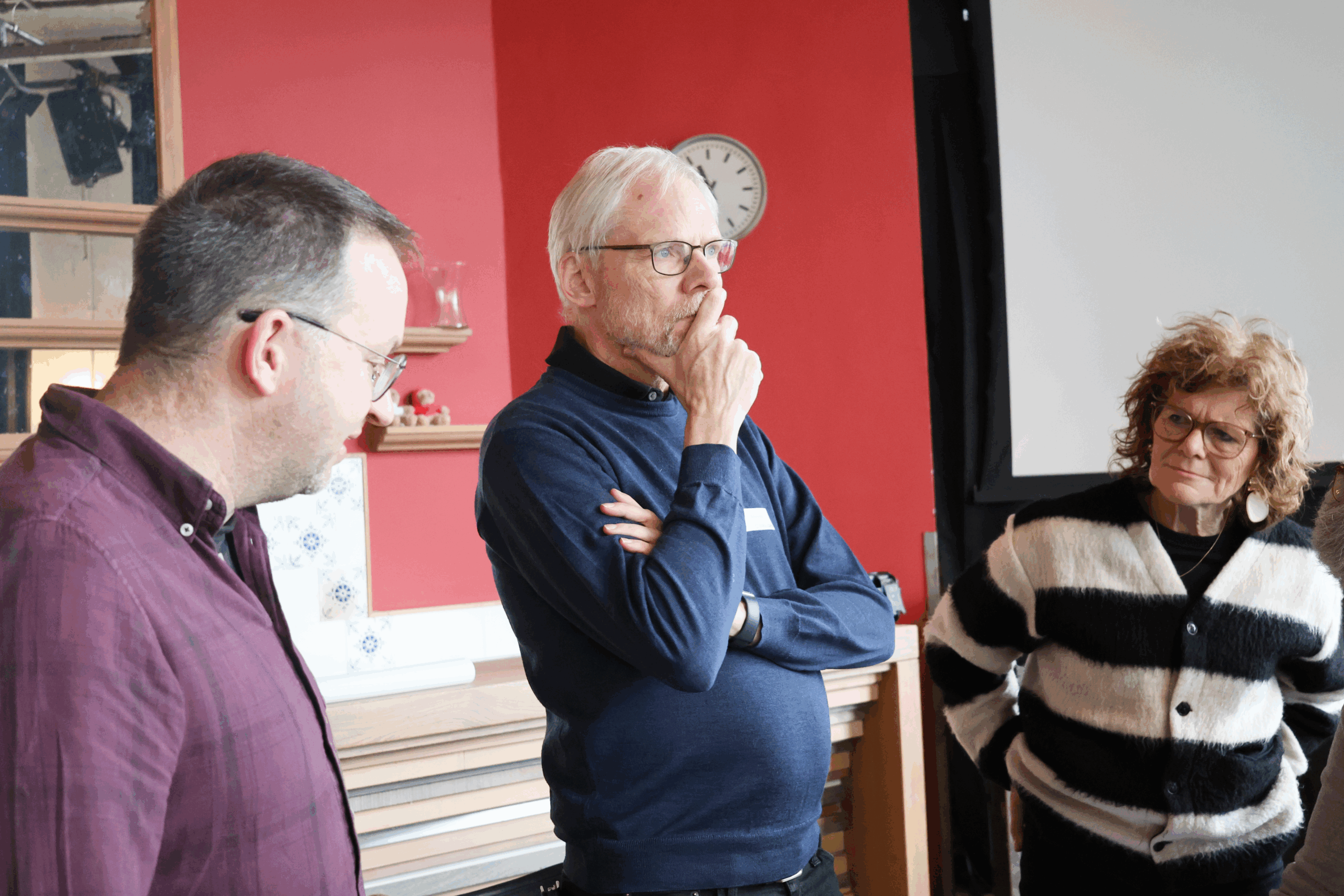
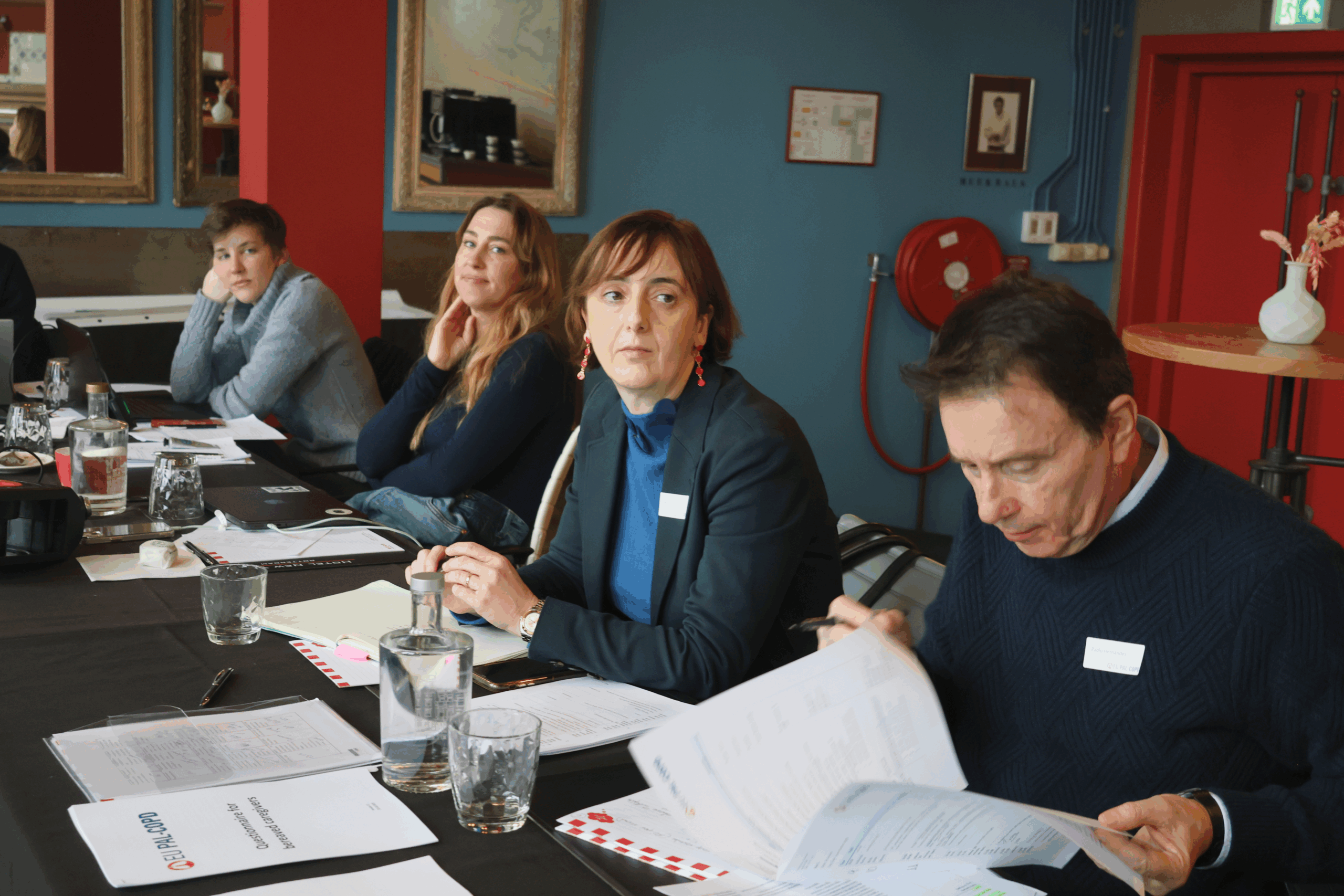
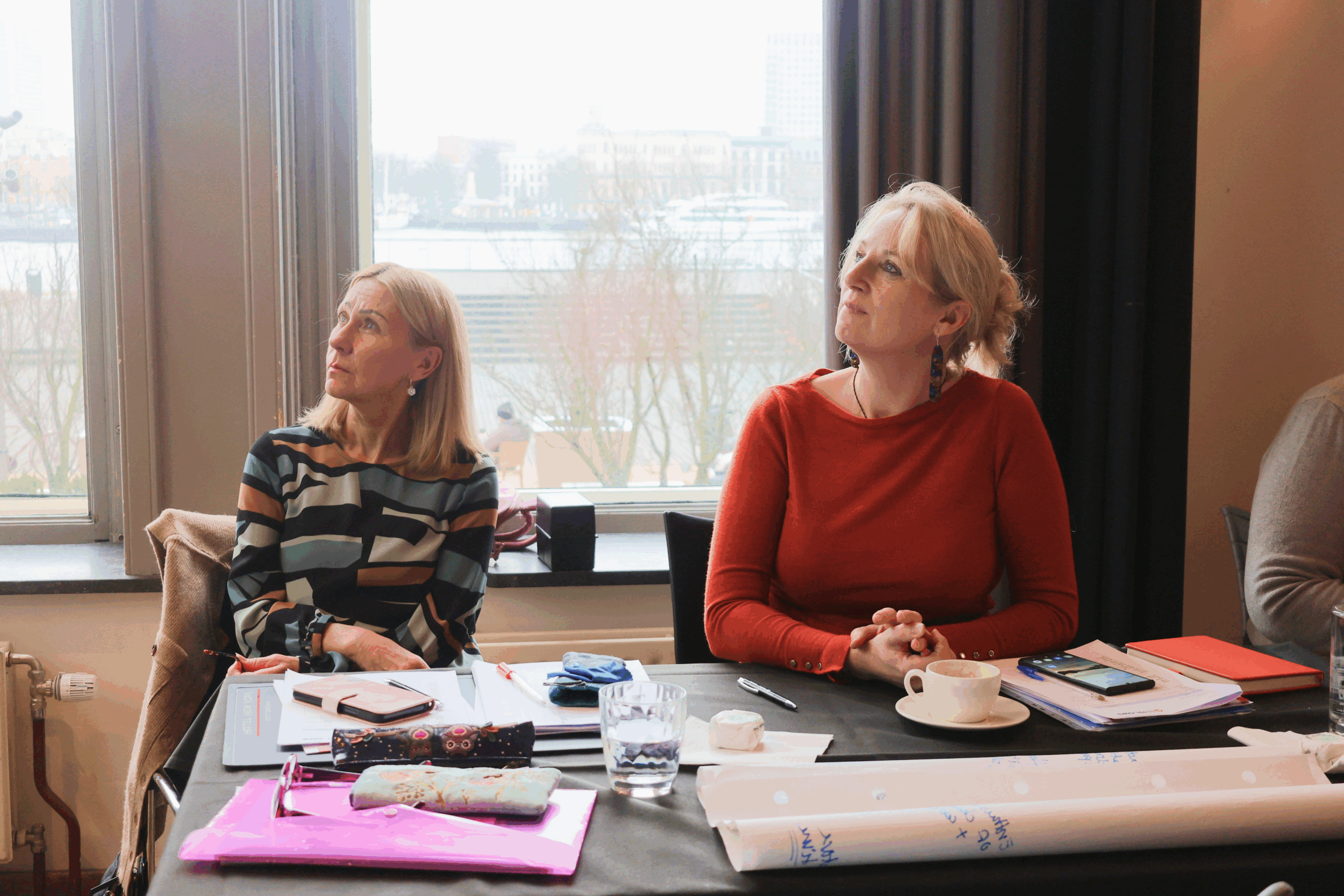
From 27 to 29 January 2026, partners of the EU PAL-COPD project gathered in Rotterdam, the Netherlands, for a three-day in-person consortium meeting hosted by our partners from RUMC. The meeting marked Project Month 25 and represented a key milestone in coordinating the next phases of implementation of the trial, data collection and analysis across participating countries. Bringing together clinical, academic, policy and patient-focused partners from across Europe, the meeting focused on consolidating progress from the first implementation wedge, preparing for wedge 2, and strengthening alignment across work packages, training activities and dissemination efforts.
Day 1: Reviewing progress and addressing implementation challenges
The meeting opened with a welcome and practical information session, followed by introductions of new team members and a warm-up activity facilitated by accelopment. The project coordinator provided an overview of milestones achieved to date, the objectives of the meeting, and priorities for the coming months.
A central part of Day 1 was dedicated to follow-up on Reporting Period 1, including adaptations to deliverables, implementation of recommendations from the first project review and progress on the ongoing amendment process. Partners then reviewed the current status of the randomised controlled trial (RCT) across countries, with particular attention to recruitment performance during Wedge 1 and decision-making around compensatory strategies where recruitment challenges were identified.
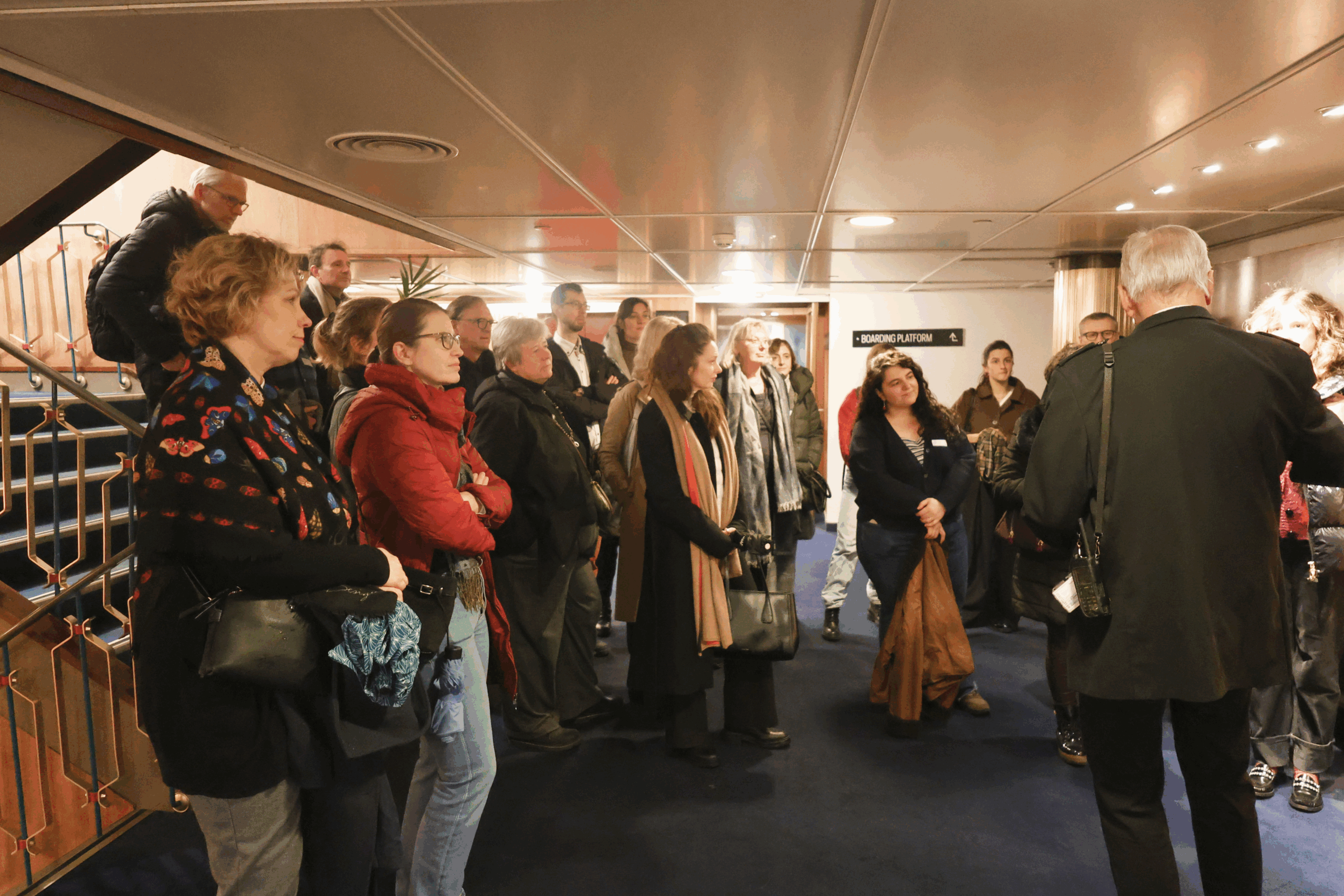
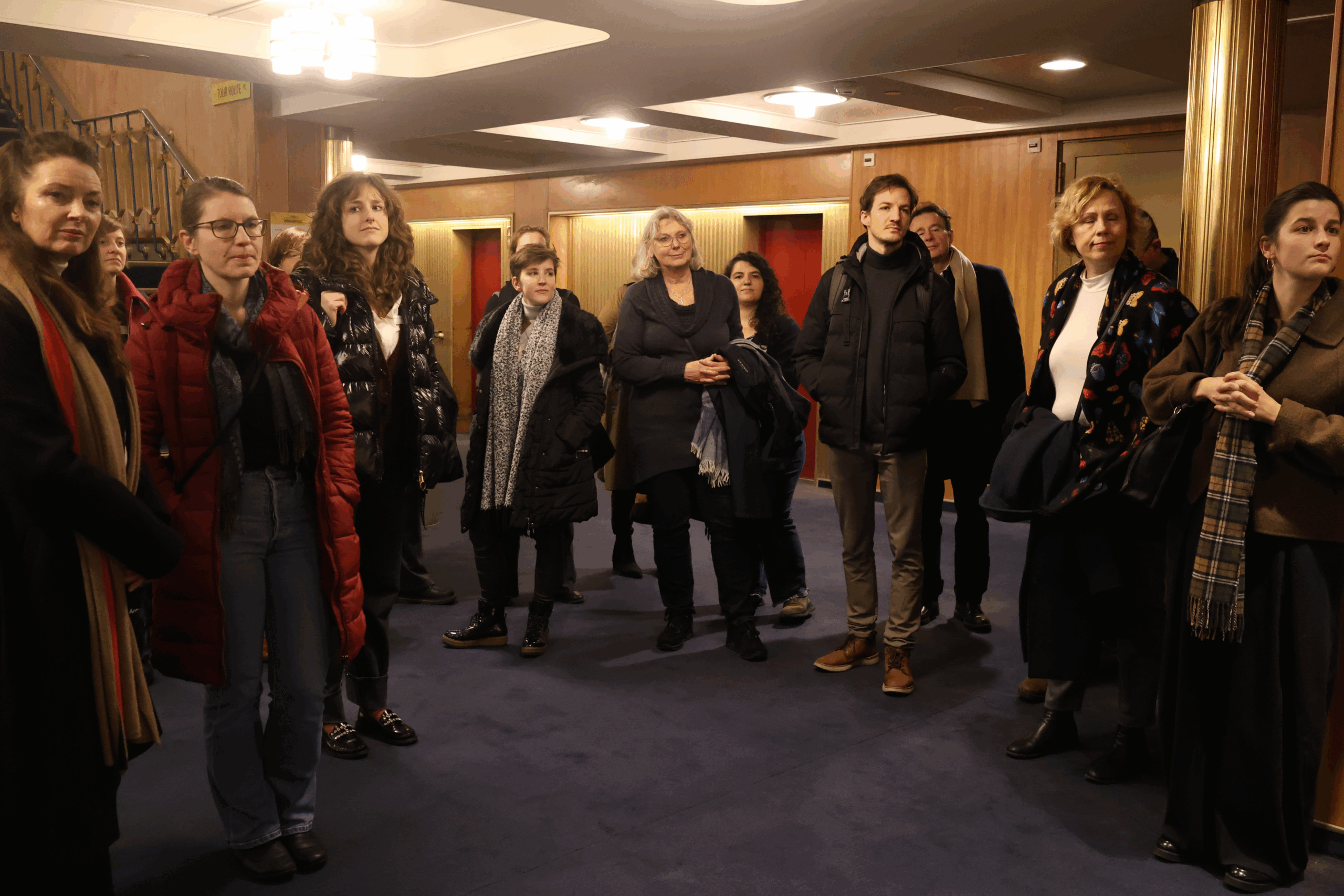
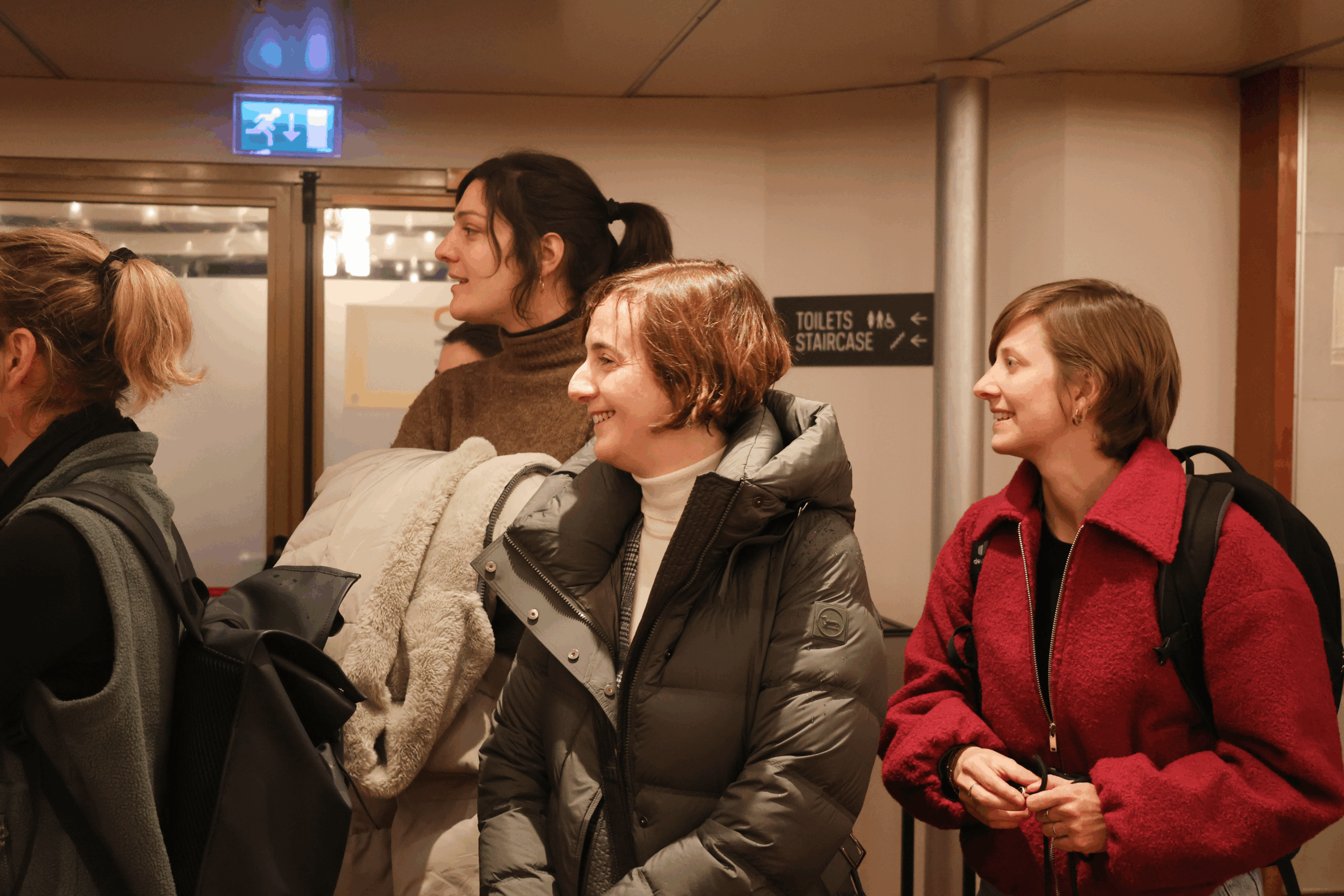
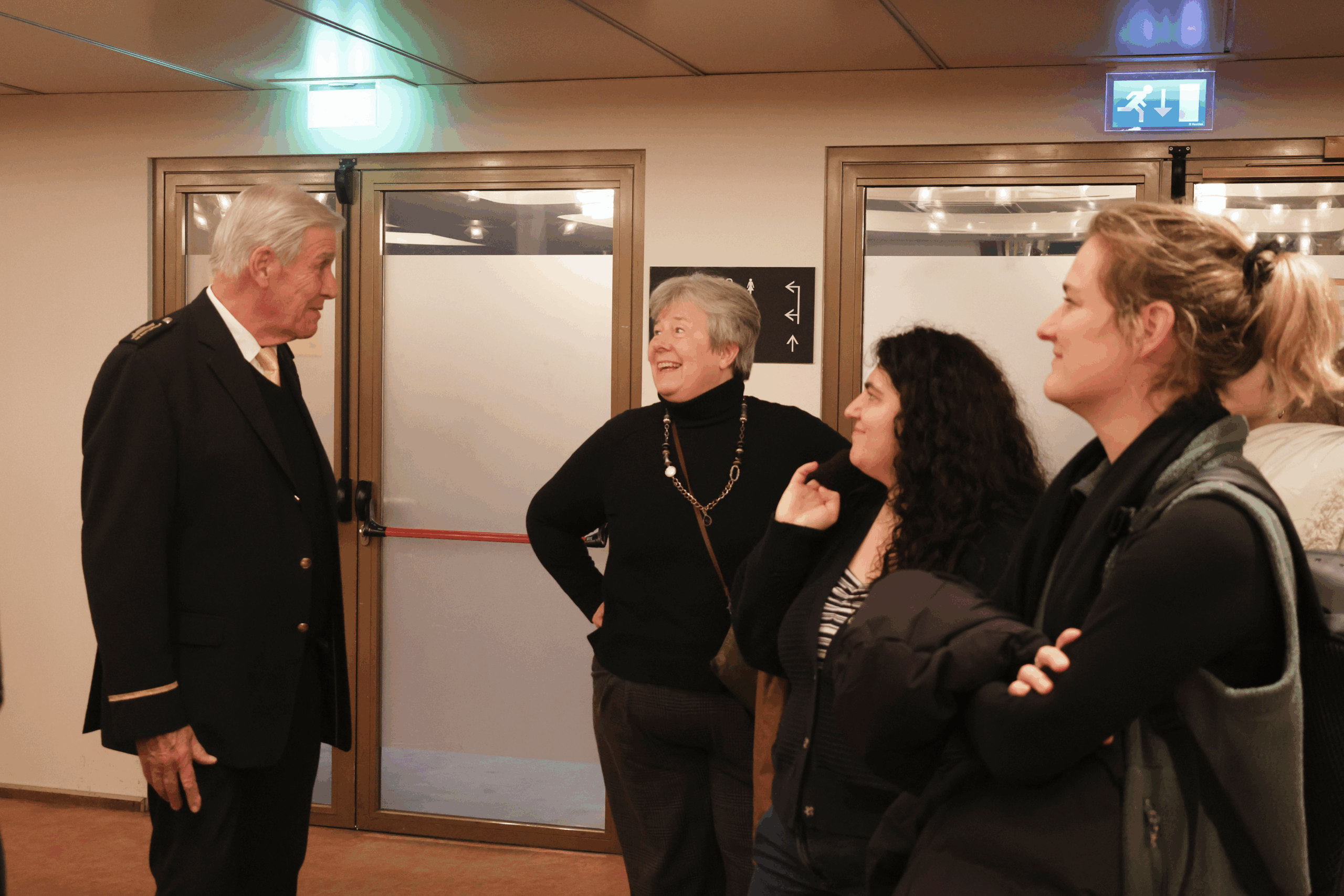
Interactive breakout sessions using an incident method allowed RCT partners to present concrete challenges encountered during implementation, followed by structured peer feedback and collective identification of solutions. These discussions were synthesised in plenary, providing a shared understanding of overarching challenges and agreed action points. The day concluded with a reflective activity on personal achievements, followed by a social visit and group dinner aboard the historic SS Rotterdam, supporting informal exchange and team cohesion
Day 2: Preparing Wedge 2 and strengthening dissemination and policy activities
Day 2 focused on forward-looking planning and practical preparation for Wedge 2. Sessions addressed remaining implementation questions from Day 1, followed by detailed presentations on intervention implementation in hospitals and training processes, including where materials can be accessed and how flexibility is managed across sites.
A World Café-style breakout format enabled partners to rotate through thematic discussions on training, hospital communication, recruitment and data collection, patient communication, and dissemination and communication strategies. Insights from these parallel sessions were consolidated in plenary, allowing partners to share practical tips and lessons learned.
The afternoon programme included dedicated sessions on intervention planning for Wedge 2, covering training formats, site-specific flexibility, team composition and roles. This was followed by a session on policy activities within EU PAL-COPD, led by EAPC together with dissemination partners, highlighting ongoing and planned efforts to connect project findings with European policy and stakeholder networks. The day concluded with updates on data analysis plans, including the use of wedge and control data and a comprehensive overview of upcoming tasks across all work packages.
Day 3: Deepening reflection on data collection and training
The final day of the meeting was dedicated to more focused intervision activities. Data collectors participated in a structured reflection session on experiences from Wedge 1, discussing challenges encountered during data collection and exchanging practical solutions. A subsequent training feedback session allowed trainers to raise remaining questions and receive targeted input, supporting consistency and quality as the project moves into the next implementation phase.
Looking ahead
The Rotterdam consortium meeting confirmed strong engagement across the EU PAL-COPD partnership and provided a structured space to align implementation, research, training and dissemination activities. By combining strategic discussions with hands-on peer exchange, the meeting strengthened the project’s readiness for the next trial wedge and upcoming analytical work, while reinforcing collaboration across disciplines and countries.